
A basement cleanout is one of those jobs that sounds simple until you open the door and discover six years of mystery boxes, an old dehumidifier, and a carpet that has seen things. I’ve absolutely gone down the “I’ll organize it this weekend” YouTube rabbit hole. Sometimes that works. Sometimes you end up with a labelled bin system and the exact same amount of stuff.
If you’re hiring help in Toronto, the basement cleanout process is usually pretty straightforward: confirm what is leaving, make the route through the house safe, sort the items that need special handling, load out, and do a final walkthrough. Here’s what to expect so removal day doesn’t feel chaotic.
Before the visit: scope the job honestly
The useful first step is deciding whether your cleanout is small, medium, or large. You do not need to produce a forensic inventory—photos and a plain-English description are usually enough.
- Small: a few boxes, bags, shelves, or one bulky item.
- Medium: a partially filled basement with furniture, storage bins, small appliances, and loose clutter.
- Large: a packed basement, multiple rooms, heavy furniture, lots of bagging/sorting, or years of accumulated contents.
When requesting help, mention access details upfront: interior stairs, a narrow side entrance, parking restrictions, condo loading rules, low ceilings, or a long walk to the curb. Those details affect crew size, equipment, and timing more than people expect.
It also helps to flag anything that is not ordinary household junk. Paint, chemicals, propane cylinders, batteries, fuels, medical sharps, suspected mould, animal waste, or unknown materials may need separate handling. Don’t tuck those surprises into a black garbage bag and hope for the best—future Liam is begging you.
For the service itself, start with Basement Cleanout in Toronto: Hire Local Pros. If you are comparing options, Basement Cleanout Cost in Toronto: Pricing Guide explains the usual factors behind a quote.
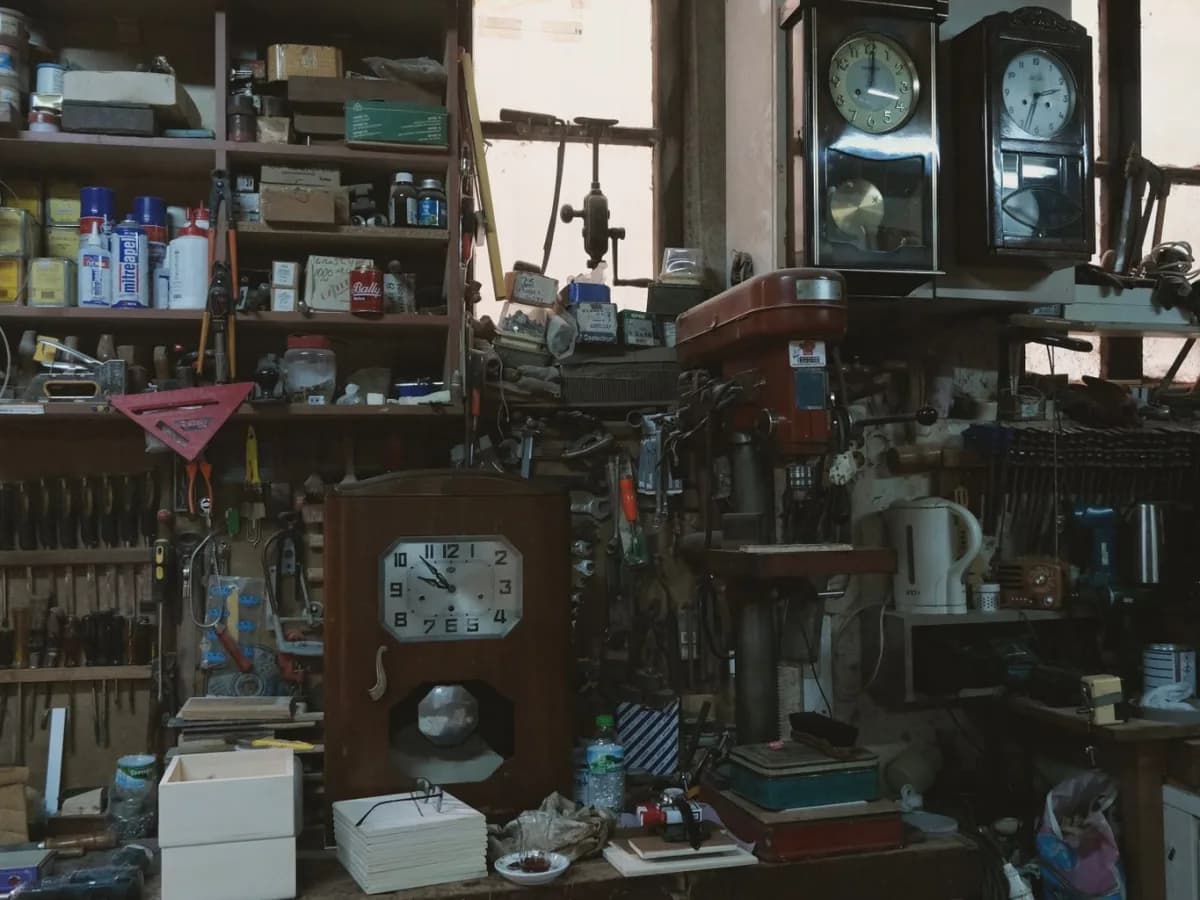
How to prepare your home without doing the whole job twice
You do not need to pre-clean the basement for a cleanout crew. That kind of defeats the point. But a little prep makes the visit safer and lets the crew focus on removal rather than guessing what is staying.
- Pull out keepers first. Put documents, photos, jewellery, medications, keys, heirlooms, and anything sentimental in a clearly marked room or vehicle—not just in a corner of the basement.
- Make simple zones. Use labels or painter’s tape for “take,” “keep,” “donate,” and “ask me.” If an item is uncertain, the last label is your friend.
- Clear the travel path. Move shoes, bikes, planters, and loose mats from the basement door to the exit. Secure pets and keep kids away from stairs and loading areas.
- Take quick photos. They help communicate the scope before arrival and document anything you want to remember before it goes.
- Set aside items with a different destination. Working furniture, reusable housewares, and clothing may be candidates for donation if accepted locally. Ask in advance rather than assuming every item can be donated.
If the basement has been damp, smell-check textiles and inspect the floor near walls, drains, and appliances. Once the piles are gone, you may find a stain, leak, or musty carpet situation that was hiding in plain sight. For a reset after removal, you can also look into Deep Cleaning in Toronto: Hire Local Pros or Carpet Cleaning in Toronto: Hire Local Pros.

What happens during the on-site basement cleanout process
On arrival, the crew will normally walk through the basement with you, confirm the items being removed, check the exit route, and clarify any “do not take” pieces. This is the best moment to point out fragile walls, freshly painted trim, low beams, or that one shelf you definitely want to keep.
Then the work generally moves in this order:
- Confirm and sort: The crew separates agreed removal items from anything you have marked as staying. They may identify materials that need a different disposal route.
- Protect the route: Depending on the job, crews may use careful carrying practices and protection around high-traffic areas. You can help by keeping the route open.
- Break down and carry out: Shelving, old furniture, boxes, and bulky items are removed in manageable loads. Some pieces may be dismantled when needed for stairs or doorways.
- Load and separate materials: The crew loads the vehicle and handles disposal, recycling, donation, or transfer options according to the agreed scope and what local facilities accept.
- Final walkthrough: Before they leave, walk the space together. Check closets, under stairs, utility corners, and the path through the house before calling it done.
A crew can remove old appliances too, but say so before booking. Fridges, freezers, washers, dryers, and water-related appliances can have extra handling needs; Appliance Removal in Toronto: Hire Local Pros is a better starting point when those are a major part of the load.

Typical timeline and what happens after removal
A small basement cleanout may be completed in a single visit of a few hours. A medium or large job can take most of a day, especially with stairs, sorting decisions, dismantling, or a packed storage room. Multi-day work is possible when the basement is extensive or you want time to review items as the space opens up.
The biggest timeline wildcard is usually decision-making, not lifting. If every third box becomes a family archaeology dig, the vibes are off and the job slows down. Decide in advance who gets the final call on sentimental items.
After the load-out, take a slow look at the newly visible basement. Check for moisture marks, pests, foundation cracks, damaged flooring, exposed wiring, and plumbing drips. A cleanout is removal, not automatically a repair or deep sanitation service, so ask what final sweep-up is included and book follow-up work separately if needed.
If your job is urgent—such as water-damaged contents, a safety trip hazard, pest contamination, or a move-out deadline—say that in the request. “As soon as possible,” “within a week,” or “flexible” gives local pros a clearer scheduling target. Include photos and any access deadline to reduce the back-and-forth.
When it makes sense to hire basement cleanout help
Hiring is especially practical when there are bulky items, many stairs, limited time, or an unknown mix of materials. It can also save your back from the classic DIY sequence: watch three lifting tutorials, attempt a sofa pivot, immediately understand why crews exist.
When you request quotes, include the basement size, approximate amount of material, big-ticket items, access constraints, whether you need sorting help, and your preferred timing. If you are unsure whether it counts as small, medium, or large, just say that and attach a few wide photos. A local pro can help define the scope before the visit.
The goal is not a Pinterest basement by sunset. It is a safe, usable room with the stuff you no longer need actually gone.