A bathroom can look mostly fine right up until it does something dramatic, like staining the dining-room ceiling during Sunday pancakes. In Toronto homes, recurring moisture, aging plumbing, tired grout, and small layouts that no longer work are usually the first clues that a bathroom renovation is worth discussing.
Look, here's the thing: not every cracked tile means you need to tear the room down to studs. But soft flooring, persistent mould, leaks, or electrical trouble are not “put it on the list for someday” problems. This guide helps you sort the nuisance stuff from the call-someone-now stuff before you search for bathroom renovation near me.
Symptoms homeowners notice first
Most bathroom renovation problems Toronto homeowners notice begin as small, annoying repeats:
- Grout that keeps cracking or falling out, especially around the tub or shower.
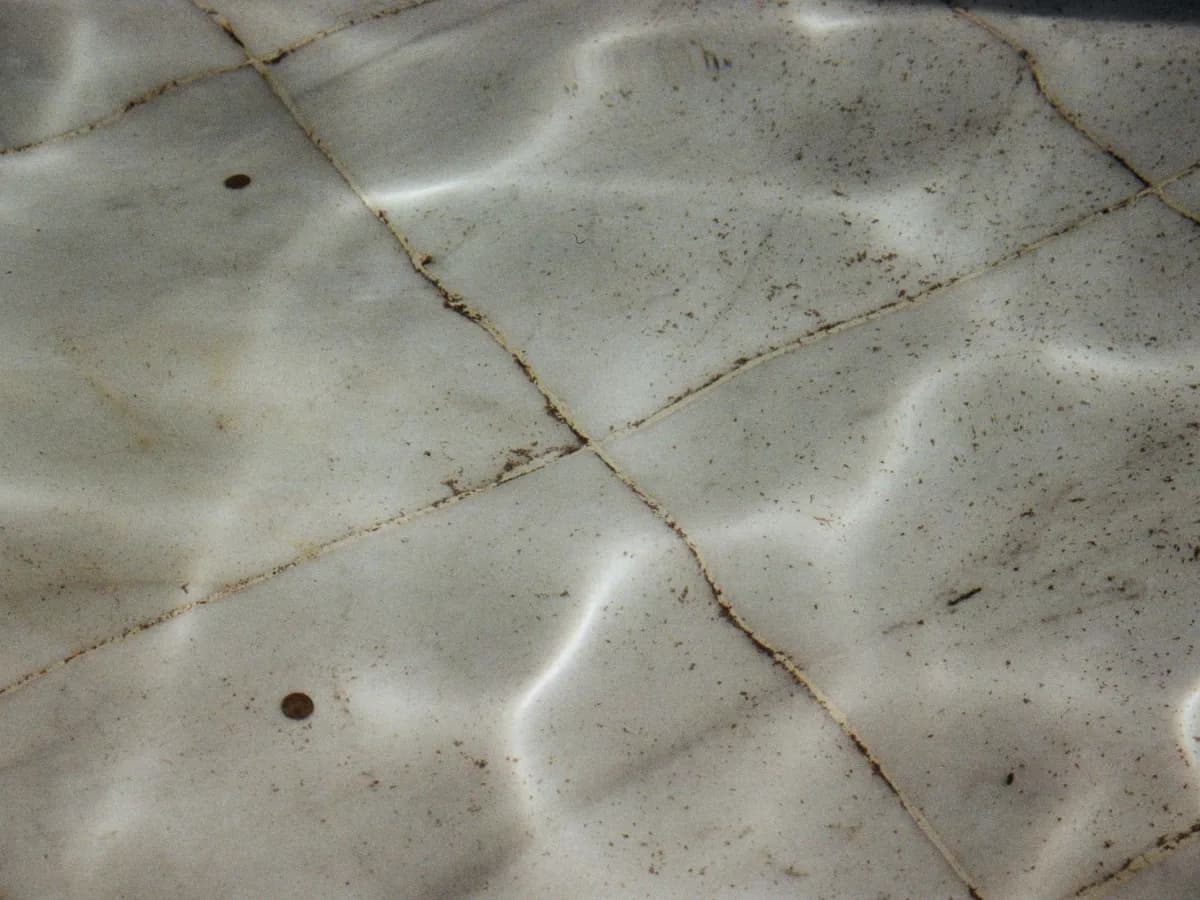
- Tiles that sound hollow, shift, or have sharp cracked edges. That can point to movement or water getting behind them.
- A spongy floor near the toilet, tub, or vanity. Flooring should not feel like a trampoline. Save that experience for the kids’ play place.
- Peeling paint, swollen baseboards, or a musty smell that returns soon after cleaning.
- Water marks on the ceiling below, damp cabinet bottoms, or a vanity that is puffing up at the edges.
- Slow drains, weak exhaust fan performance, or condensation that hangs around for hours.
- A bathroom that simply no longer works: no storage, poor lighting, an awkward tub, or a shower that is too cramped for the people using it.
One isolated hairline crack may be cosmetic. A pattern of cracks, staining, and moisture is a different story. Take clear photos, note when the issue appears, and check whether it changes after showers or toilet flushes. That little bit of detective work can make an estimate much more useful.
If the room is dated but dry and solid, start with Bathroom Renovation Cost in Toronto: Pricing Guide to get your planning bearings before choosing finishes.
Urgent problems versus issues that can wait
Call for help promptly if you see active water leaking through a ceiling, water near an outlet or light fixture, a burning smell, sparking, a toilet that rocks with wet flooring around it, or widespread dark mould caused by an ongoing moisture source. Turn off the local water supply if you can do so safely, avoid electrical fixtures in a wet area, and protect the space below the leak.
A bathroom with a leaking shower enclosure or failed toilet seal can damage subflooring and the room underneath faster than people expect. In a condo, notify property management as well; water can travel where it pleases, much like a toddler with a marker.
Usually able to wait for a planned renovation are stained caulking that is not letting water through, dated fixtures, chipped but stable tile, limited storage, or a fan that is noisy but still venting effectively. Even then, book an assessment within a reasonable window if moisture or ventilation is involved.
For a small scope job, the fix may be targeted. For several symptoms at once—say, cracked tile, a soft floor, and a leaking vanity—ask about the full scope when you hire Bathroom Renovation Toronto professionals. A good pro can help determine whether the issue is surface-level or hiding behind the wall.

Safe DIY checks before you book
You do not need to perform bathroom surgery to gather useful information. Stick to checks that do not involve opening walls, moving wiring, or disconnecting plumbing.
- Run the fan during and after a shower. Hold a square of toilet paper near the grille; a gentle pull suggests airflow, though it does not prove the duct is clear.
- Look under the vanity with a flashlight. Check supply valves, drain connections, cabinet corners, and the floor for fresh moisture or staining.
- Inspect caulk and grout. Look for gaps at the tub, shower corners, and where tile meets fixtures. Do not assume fresh caulk solves a soft wall behind it.
- Press lightly around suspect flooring and walls. Stop if material flexes, crumbles, or feels wet. Don’t keep poking at it like it owes you rent.
- Check the ceiling below after several normal uses of the bathroom, if there is a finished room underneath.
- Document measurements and priorities. Note the room size, who uses it, storage needs, accessibility concerns, and whether you are planning, mid-project, or unsure.
Do not remove tiles to investigate, alter plumbing or electrical work, or try to cover active mould or water damage with paint. Renovation work may require licensed trades depending on the scope, and Toronto condo buildings can have their own approval and work-hour rules.
If you are renovating a unit rather than a detached home, Condo Renovation in Toronto: Hire Local Pros can help you plan around building requirements and shared-building realities.
When to book a bathroom renovation professional
Book a renovation professional when the bathroom has recurring moisture, damaged backing or flooring, layout problems, multiple aging fixtures, or work that will affect plumbing, electrical, ventilation, waterproofing, or tile assemblies. These parts need to work together; a pretty vanity cannot negotiate with a bad shower waterproofing job.
When you request quotes, include:
- Your phase: planning/estimate, work in progress, small scope job, or not sure.
- Whether the issue feels urgent or safety-related.
- Your preferred timing: as soon as possible, within a week, flexible, or not sure yet.
- Photos of damage and the room, plus photos of any ceiling below.
- Your building type, especially if it is a condo.
- What matters most: stopping a leak, improving accessibility, adding storage, updating finishes, or reworking the layout.
For an in-progress renovation that has stalled or revealed damage, be upfront about what has been removed and what trades have already worked there. That helps a pro assess the condition without playing renovation archaeology.
If the bathroom problem is part of a broader lower-level moisture or finishing project, Basement Renovation in Toronto: Hire Local Pros is a better fit for coordinating that larger scope. And if you manage washrooms in a storefront, office, or rental commercial space, Commercial Maintenance in Toronto: Hire Local Pros may be the more appropriate starting point.
For a straightforward homeowner project, request a local bathroom renovation quote with photos and a short description of the symptoms. Clear details get you closer to a useful answer and farther from the classic “well, it depends.”