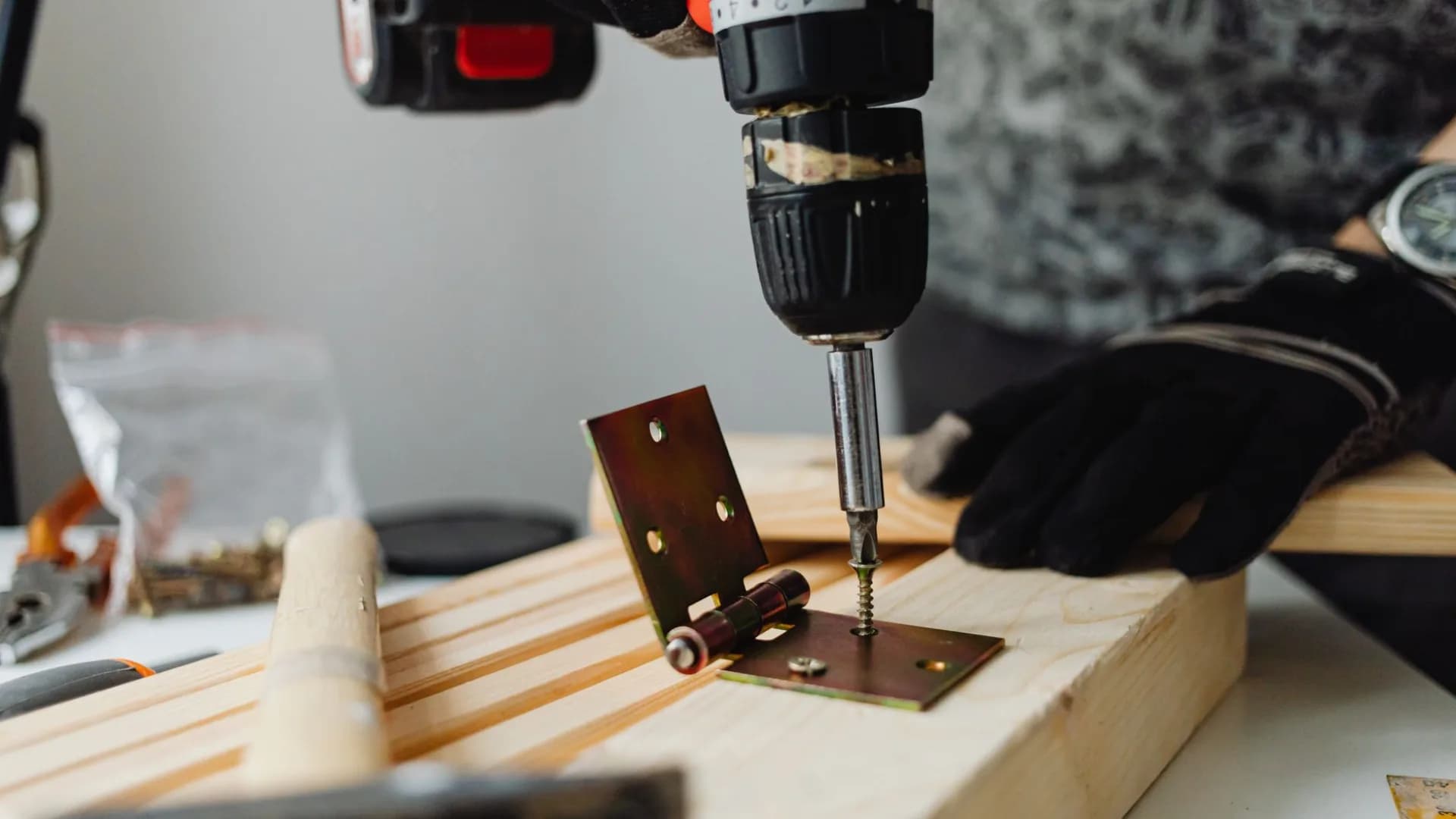
A cabinet door that rubs, sags, or suddenly won’t stay shut is more than an annoying kitchen vibe. In Toronto homes and condos, daily use, moisture around sinks, heavy pantry doors, and aging particleboard can all turn one loose hinge into a cabinet that feels properly cursed.
I’ve absolutely gone down the YouTube rabbit hole convinced a screwdriver would solve everything. Sometimes it does. Other times you’re holding a stripped screw, a mystery hinge plate, and an unopened Amazon box of parts that definitely looked universal online. Here’s how to sort a quick adjustment from cabinet repair or hardware installation work worth booking out.
Symptoms homeowners notice first
Most cabinet issues start small. A door may close with a little scrape, a pull may wiggle, or a drawer might need a hip-check to go in all the way. Those are useful early warnings—not just cosmetic quirks.
Watch for these common signs:
- Doors that sag, rub, or sit unevenly. The hinges may be loose, worn, bent, or out of adjustment.
- A door that will not stay closed. A misaligned hinge, damaged magnetic catch, or swollen cabinet box can be behind it.
- Loose pulls and knobs. Hardware can work loose over time, especially on frequently used drawers. If the mounting holes are enlarged, simply tightening the screw may not last.
- Screws that spin without tightening. This often means the screw hole in particleboard or MDF has stripped.
- Drawer fronts that are crooked or drawers that bind. The slide, mounting bracket, drawer box, or cabinet frame may need attention.
- Chipped, swollen, soft, or crumbling material around a hinge. That can point to water exposure, especially under kitchen or bathroom sinks.
- Fresh cracks near a hinge or pull. Don’t keep cranking screws into cracked material; it can turn a repairable spot into a replacement job.
For a broader look at arranging the work, see Cabinet Repair / Hardware Installation in Toronto: Hire Loca. A couple of clear photos—door open, door closed, and a close-up of the hinge area—make it much easier to describe what is happening when requesting quotes.
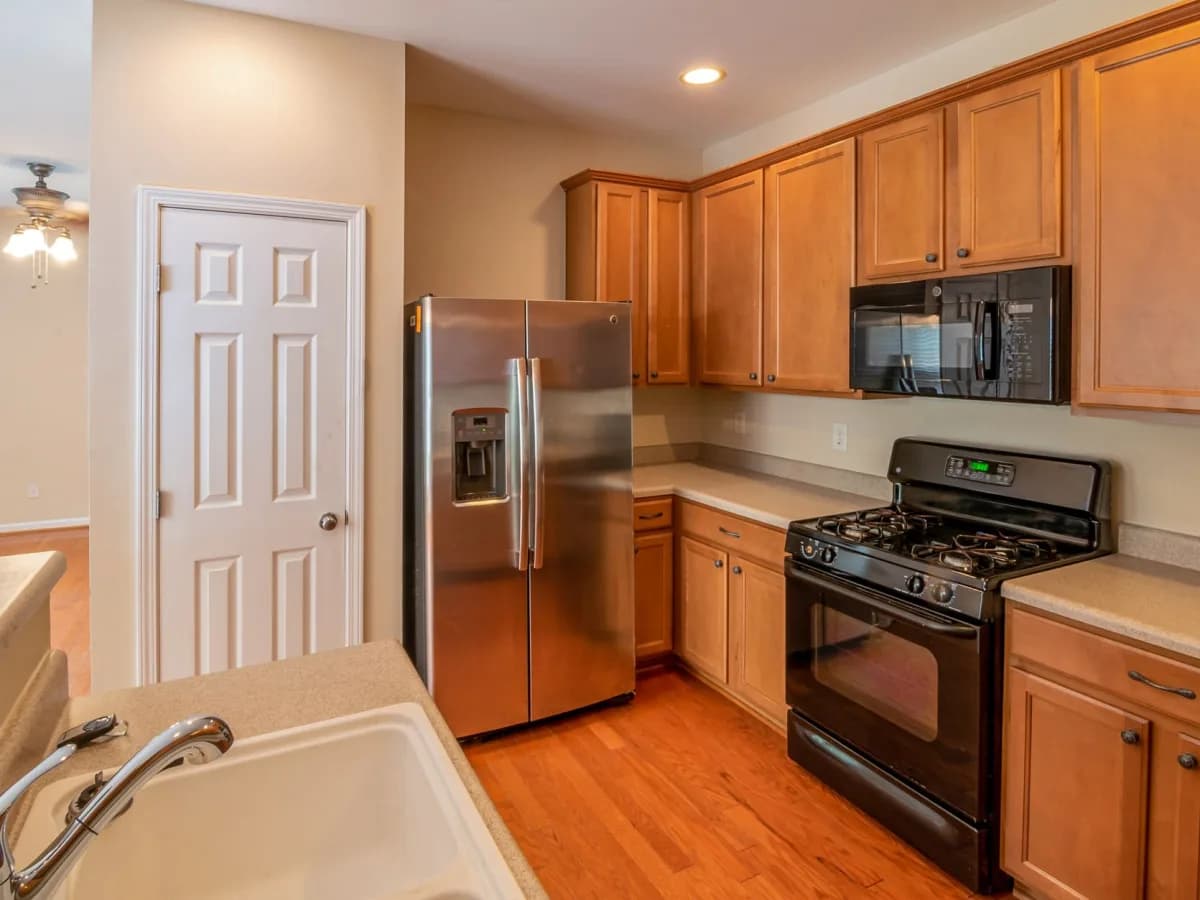
Urgent vs can-wait cabinet problems
Most cabinet hardware problems can wait a few days. A loose kitchen pull is annoying, not an emergency. But there are a few situations where it is smart to stop using the cabinet and book help as soon as possible.
Treat it as urgent when:
- A wall cabinet is pulling away from the wall, visibly tilting, or has loose mounting fasteners.
- A heavy door has partially detached or could fall into a walkway.
- The cabinet material is swollen or failing because of an active leak under a sink.
- A drawer slide has sharp broken metal or a loose component that could cut someone.
- A bathroom vanity is deteriorating around plumbing, especially if water is still present.
For suspected water damage, deal with the leak first or at the same time. A cabinet repair can be pointless if the plumbing drip is still doing its tiny, expensive sabotage routine. If the trouble is focused around a vanity, Bathroom Repairs in Toronto: Hire Local Pros can help you think through related work. Around a tub or shower, failed sealant can also feed moisture into nearby cabinetry and walls; see Bathtub & Shower Caulking in Toronto: Hire Local Pros.
Usually okay to schedule within a week or when convenient: a single sagging door that is still secure, a loose handle, a sticky drawer, a missing soft-close bumper, or a cabinet door that needs alignment after settling. If you are not sure, choose “not sure—need assessment” in a request and include a photo. That is better than guessing from one dramatic-looking screw.
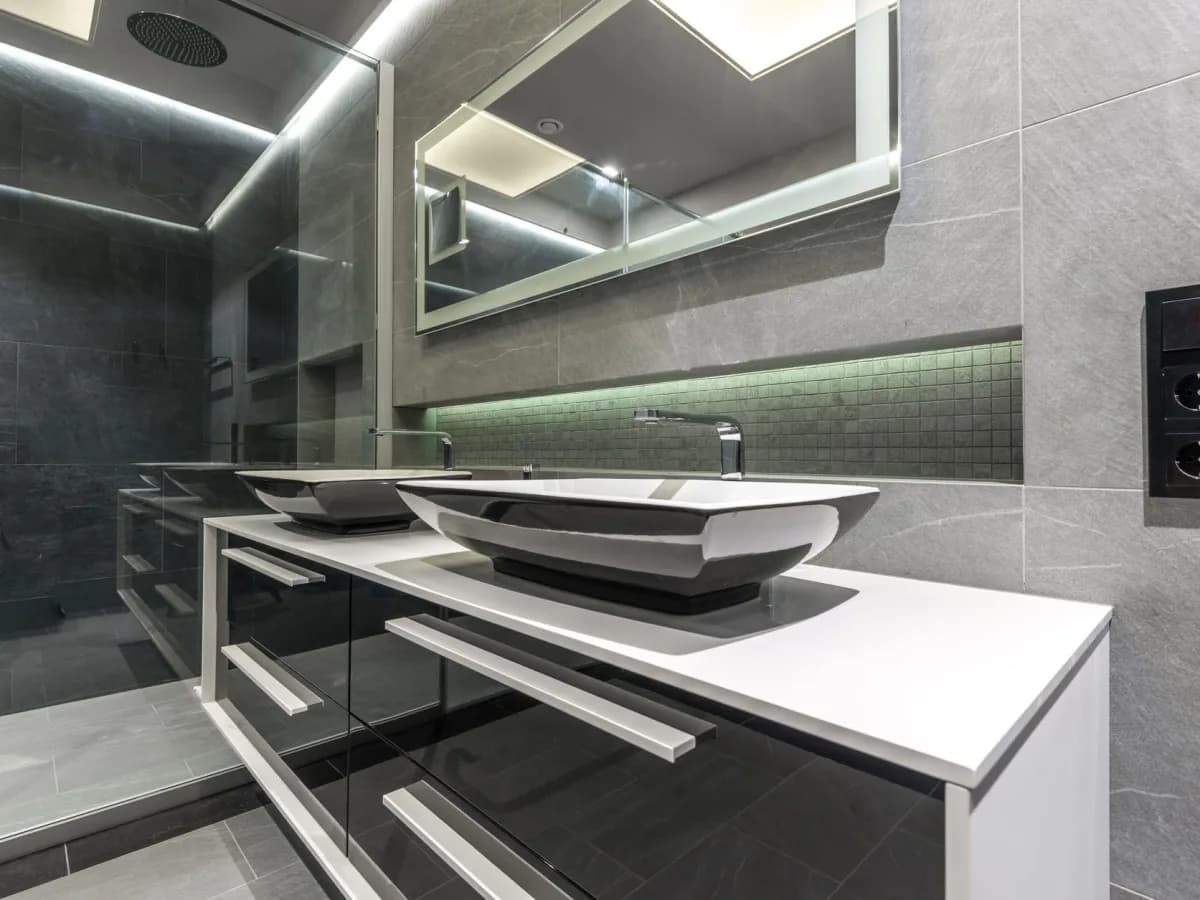
Safe DIY checks before you book
A few low-risk checks can tell you whether this is a five-minute adjustment or a job that has moved beyond your tool comfort zone.
- Empty the cabinet or drawer first. Especially upper cabinets and deep pantry pull-outs. Less weight means less chance of making a loose component worse.
- Check hinge screws with a hand screwdriver. Look at the screws attaching the hinge to both the door and cabinet box. Snug loose screws gently; stop if a screw spins, the board flakes apart, or the hinge plate shifts.
- Look for moisture. Feel under the sink and inspect the cabinet floor, side panels, and hinge area for swelling, staining, or softness. Never cover up active water damage with a new hinge.
- Open and close slowly. Note where the door rubs and whether it drops as it opens. That helps distinguish alignment from a damaged hinge or weakened cabinet material.
- Identify the hardware. Take a photo of the hinge, drawer slide, or pull from the inside and outside. For pulls, measure the centre-to-centre distance between screw holes before ordering replacements.
Skip DIY if you need to remount a wall cabinet, rebuild damaged cabinet-box material, drill new holes in an expensive finished door, or replace unfamiliar drawer-slide systems. I’m all for a brave Saturday fix, but “universal” hardware has humbled me more than once.
If you are refreshing a kitchen and the cabinet issue is part of a larger finish update, coordinate the sequence before drilling or patching. For example, Backsplash Installation in Toronto: Hire Local Pros may be relevant when work is happening around upper cabinets and wall finishes.

When to book cabinet repair or hardware installation help
It is time to hire cabinet repair or hardware installation help in Toronto when the problem keeps returning after basic tightening, the mounting material is damaged, or several doors and drawers need consistent alignment. A pro is also useful when you want new pulls or knobs installed cleanly across a whole kitchen or bathroom—straight, evenly spaced, and without accidental extra holes. Lowkey, a crooked row of handles is one of those things you will notice forever.
When requesting help, say whether the job is repair, install/replace, or not sure—need assessment. Include:
- Number of cabinet doors, drawers, hinges, or pulls involved
- Whether the cabinets are kitchen, bathroom, laundry, or built-in storage
- What the hardware does now: sags, binds, falls off, rubs, will not close, or is missing
- Whether there is swelling, water staining, cracking, or an active leak
- Whether you already bought replacement hardware and have the packaging or measurements
- Your preferred timing: as soon as possible, within a week, or flexible
If the scope includes multiple new pulls, specialty soft-close hinges, slide replacements, cabinet-box repair, or water-damaged material, pricing can vary quite a bit. Cabinet Repair / Hardware Installation Cost in Toronto: Pric breaks down the factors that commonly affect a quote.
For anything safety-related—especially an upper cabinet that is loose or a water-damaged vanity—stop loading it up and request service promptly. Photos help, but do not lean on or test a cabinet that looks like it is separating from the wall.