Eavestrough trouble has a way of starting small: a drip near the front step, a brown line on the soffit, or a puddle that keeps returning beside the foundation. Then comes a Toronto downpour or a freeze-thaw week, and suddenly that little nuisance has ideas of its own.
Your eavestroughs are meant to move roof water safely away from the house. When they clog, leak, pull loose, or drain in the wrong spot, water can work its way into fascia boards, siding, walkways, and the ground beside your foundation. A stitch in time saves nine, as my mother used to say—and she was usually talking about hems, but the rule holds nicely for gutters too.
Symptoms homeowners notice first
Most eavestrough repair problems in Toronto show up during rain, snowmelt, or the first warm day after a hard freeze. Keep an eye out for these familiar clues:
- Water spilling over the front edge rather than running to the downspout. Leaves, seed pods, roof grit, or ice may be blocking the channel.
- Drips at seams, corners, or end caps. A small leak can stain trim and soften the wood behind it over time.
- A sagging run of eavestrough or brackets that have pulled away from the fascia. Water is heavy; a full trough can bend and strain its fasteners.
- Water shooting behind the trough or dark, peeling areas on the fascia and soffit.
- A downspout that dumps water beside the foundation, leaving a muddy patch, a recurring puddle, or slippery ice at the walk.
- Streaks on brick, siding, or exterior paint below the roofline. These may be overflow marks rather than an ordinary dirty wall.
At my daughter’s old place, the giveaway was not the gutter at all. It was a damp-looking flower bed that stayed wet long after every other patch had dried. One loose downspout elbow was sending all that roof water straight there. Homes do leave clues; they just do not always put them in a convenient place.
If the issue involves worn trim, open joints around the exterior, or water getting behind cladding, it can help to look at related work such as Exterior Caulking in Toronto: Hire Local Pros and Exterior Painting in Toronto: Hire Local Pros.
Urgent problems versus repairs that can wait a little
Not every drip requires an emergency call, but do not let urgency be decided by optimism alone. Water and winter weather can turn a modest repair into a bigger one in a hurry.
Book help as soon as possible when you see water entering the house, a trough hanging or pulling away from the roof edge, loose metal above a walkway, or a downspout creating ice where people walk. Also move quickly if runoff is collecting against the foundation, overflowing near an electrical fixture, or soaking fascia and soffit during every storm.
Usually less urgent, but still worth scheduling within a week or two: a localized seam drip, a loose end cap, light corrosion, a bent downspout extension, or a small section holding water after rain. Take a photo during or just after rainfall if you can do so from the ground. It gives a repair professional a clearer picture than a dry gutter on a sunny Tuesday.
For a small, localized issue, the repair may be limited to a seam, bracket, elbow, or short section. A medium area can involve several joints or one side of the home. If an entire run is loose, corroded, poorly pitched, or repeatedly overflowing, expect the discussion to include a larger repair or replacement of that side. If you are not sure of the scope, that is perfectly normal—describe what you see and where the water lands.
Safe checks you can make from the ground
A homeowner can do a useful first inspection without climbing onto a roof or leaning out a second-storey window. The goal is to observe, not to win a wrestling match with a ladder.
- Walk around the house after a steady rain and note where water overflows or pools.
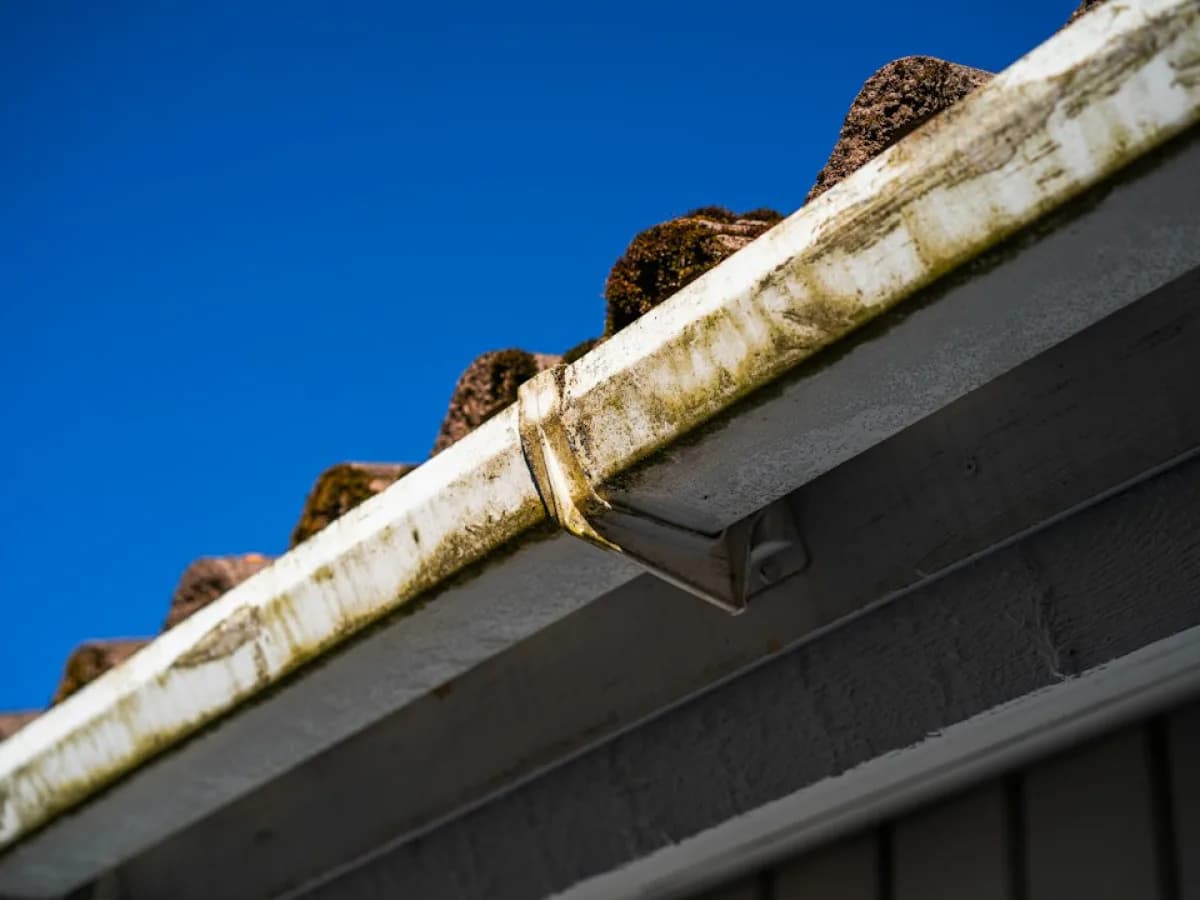
- Look for gaps at joints, crooked downspouts, missing straps, visible rust, and sections that dip in the middle.
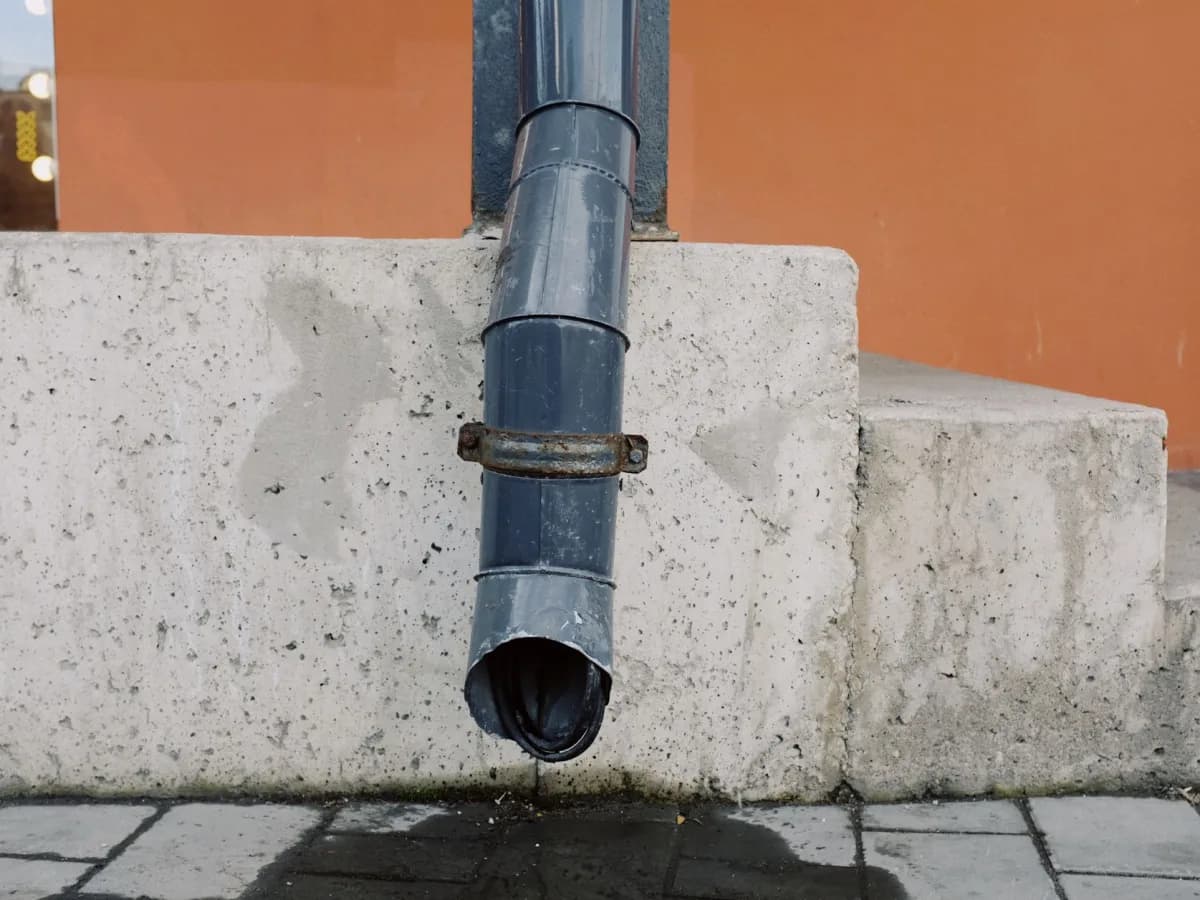
- Check that downspout outlets direct water away from the foundation. An extension can help where the outlet is simply too close to the wall.
- From the ground, look for wet marks on fascia, soffit, siding, and the area beneath the eaves.
- If it is safe and accessible at ground level, clear leaves from the bottom of a downspout extension or splash block. Do not poke sharp tools into metal joints or force a blockage.
Avoid roof work, ladder work in wind or rain, and any attempt to reattach a sagging trough from above a hard surface. Toronto’s freeze-thaw cycles can leave brackets and boards weaker than they look. And if a deck sits below the problem area, keep runoff from shortening its life; Deck Repair in Toronto: Hire Local Pros can be useful when persistent water has affected nearby wood.
When to book an eavestrough repair professional
It is time to hire eavestrough repair in Toronto when the problem needs ladder access, involves detached or sagging sections, keeps returning after cleaning, or has begun affecting wood, siding, paint, or the foundation area. A qualified local pro can check slope, fasteners, seams, downspout routing, and the condition of the fascia behind the trough—things that are difficult to judge safely from the lawn.
When requesting estimates, mention whether the trouble is small/localized, affects a medium area, or runs along a large section or whole side. Share whether you need help as soon as possible, within a week, or are flexible. A few plain details—“overflow above back door,” “seam dripping at front corner,” “downspout drains beside basement wall”—go a long way.
For next steps, start with Eavestrough Repair in Toronto: Hire Local Pros. If you are weighing repair against more extensive work, review the practical budgeting points in Eavestrough Repair Cost in Toronto: Pricing Guide. Better to mend the water path now than to spend next spring wondering why the basement smells a little too earthy.