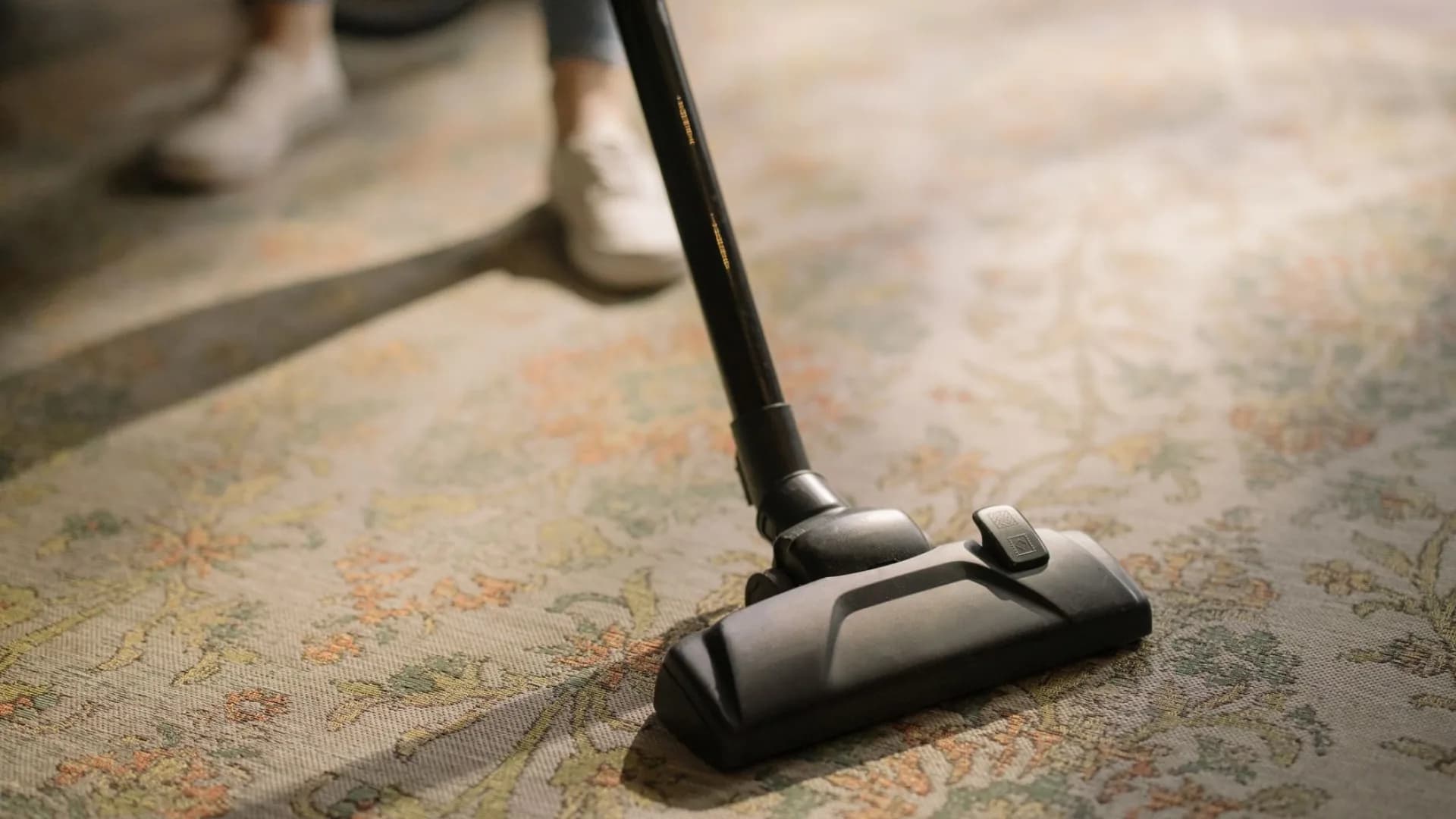
If you are searching for carpet cleaning near me, you probably want two things: cleaner carpet and no surprises when the crew arrives. Fair enough. Between Toronto slush, salty boots, pets, kids, and the occasional coffee ambush, carpet can get rough fast.
A professional visit is usually pretty straightforward. You describe the rooms and trouble spots, clear a path, the cleaner inspects and treats the carpet, then uses extraction equipment to lift soil and moisture. Here is what the process generally looks like, so you can plan around school pickup, work calls, or the eternal hunt for matching mittens.
Before the visit
When you request carpet cleaning, share the basics: how many rooms or stairs are involved, approximate sizes, the carpet material if you know it, pets, odours, and any stains that need special attention. A small job might be one bedroom or a hallway; a medium job often covers several rooms; a large job can include a whole floor, stairs, and heavy-traffic areas. If you are not sure, photos and a room list usually help a pro size it up.
Be upfront about urgent issues. Fresh pet accidents, a spill, or a musty smell after a minor leak may need quick attention. But if the carpet is wet from a flood, sewage backup, or a major plumbing leak, this is no longer routine cleaning; it may need water-damage assessment and safe removal instead. Wet carpet has the same patience level as a toddler in a grocery line.
Ask what cleaning method the provider recommends. Hot-water extraction is common for deeply soiled wall-to-wall carpet. Low-moisture methods may suit some situations where faster dry times matter. A reputable cleaner should explain the approach, flag any stain limitations, and confirm access, parking, and whether they need a nearby water connection.
For a broader overview of choosing a provider, see Carpet Cleaning in Toronto: Hire Local Pros. If you are comparing quotes, this Carpet Cleaning Cost in Toronto: Pricing Guide can help you understand what may affect the total.

How to prepare your home
A little prep lets the cleaner spend time on carpet instead of navigating an obstacle course made of LEGO and winter boots. Before the appointment:
- Pick up toys, cords, laundry, and small breakables from the carpeted areas.
- Move light furniture if that is part of your agreement; ask first about beds, sectionals, antiques, and heavy cabinets.
- Vacuum if requested. It helps remove loose grit before deep cleaning, though some cleaners include this step.
- Point out stains and tell the cleaner what caused them, if known. Juice, grease, pet urine, and mystery goo do not all respond the same way.
- Keep pets and children away from hoses, equipment, and freshly cleaned rooms.
- Make an access route from the entrance to the work area, especially in condos or narrow Toronto semis.
If clutter is the bigger issue, it can make sense to handle it before booking carpet work. For bulky items, Appliance Removal in Toronto: Hire Local Pros may be useful; for a packed lower level, Basement Cleanout in Toronto: Hire Local Pros is the more sensible first move. Carpets clean better when they are not hiding under half a garage sale.
Take a quick photo of existing wear, bleach spots, or permanent damage before the visit. It is not dramatic; it is just the household version of checking your car for scratches before airport parking.
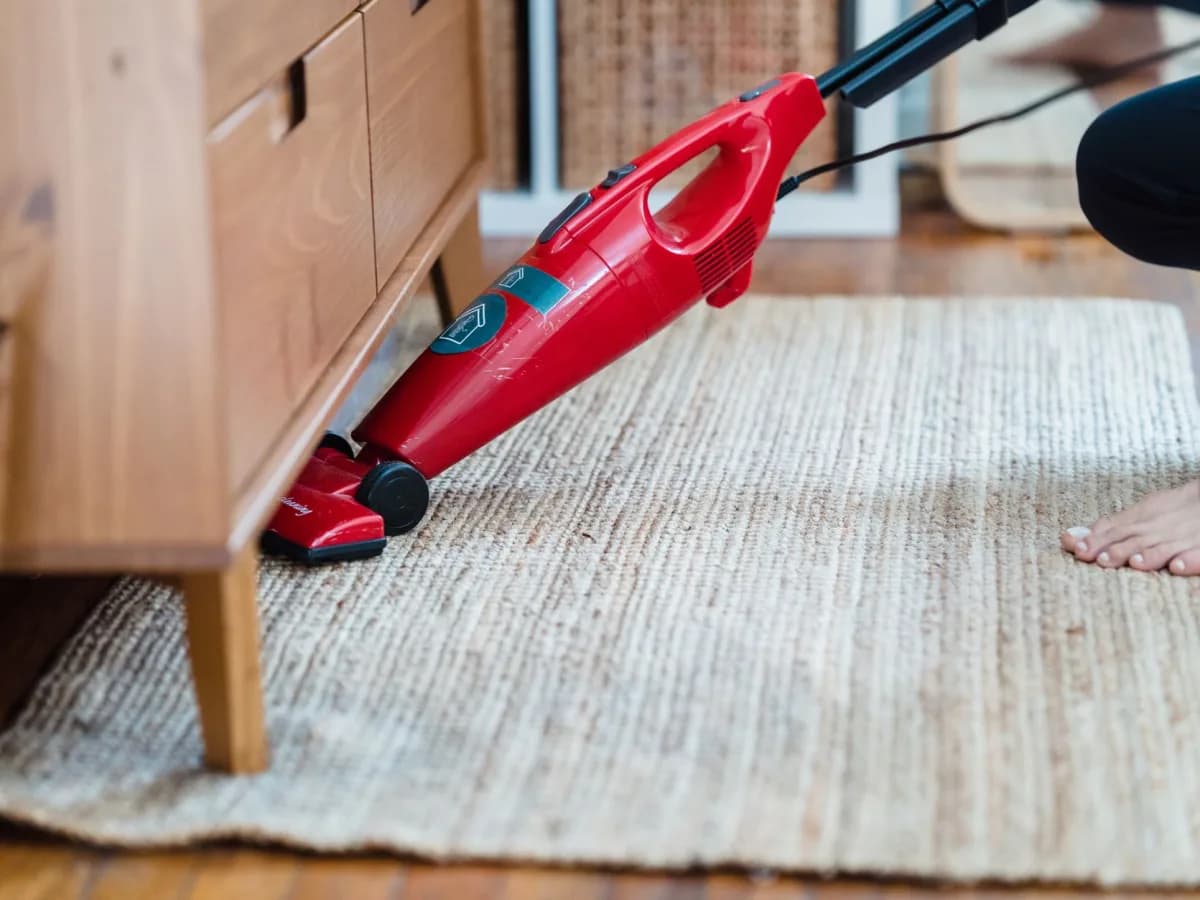
What happens during the on-site carpet cleaning process
The cleaner normally starts with a walk-through. They will confirm the rooms, inspect traffic lanes and stains, check fibre type where possible, and note concerns such as loose seams, fringe, delicate rugs, or areas with previous damage. This is the moment to mention the red-wine incident from last Christmas. No judgment. Well, maybe from the carpet.
The usual on-site steps are:
- Pre-inspection and testing: The cleaner assesses soil level and may test a small hidden area if there is concern about colourfastness.
- Dry soil removal: Vacuuming or agitation may be used to loosen embedded grit.
- Pre-treatment: A cleaning solution is applied to traffic lanes and spots, with different products used for things like oil, food, or pet-related staining.
- Agitation and dwell time: The solution gets time to work into the fibres. It is not glamorous, but neither is scrubbing spaghetti sauce at 10 p.m.
- Extraction or low-moisture cleaning: Equipment lifts dissolved soil and cleaning solution from the carpet. Hot-water extraction uses water and suction; low-moisture systems use much less water.
- Spot treatment and grooming: Stubborn areas may get extra work, then the pile may be brushed or groomed so it dries more evenly.
Good cleaners set realistic expectations. Cleaning can improve many stains and odours, but old dye stains, bleach marks, sun fading, and deeply set pet contamination may not disappear completely. A clean carpet is not a time machine, sadly.
For a whole-home reset around the carpet appointment, Deep Cleaning in Toronto: Hire Local Pros can help cover the hard surfaces and corners that the carpet machine understandably ignores.

Timeline, drying time, and follow-up
Most small carpet cleaning jobs take roughly one to two hours. Several rooms and stairs may take two to four hours, while a large home or heavily soiled carpet can take longer. The real variables are room count, furniture moving, stain treatment, access, and how much soil the carpet has collected since the Raptors last made us all emotionally vulnerable.
Drying commonly takes about six to twelve hours after hot-water extraction, though it can run longer in humid weather, with dense carpet, poor airflow, or heavy cleaning. Low-moisture methods can dry faster. Your cleaner should give you a more specific estimate based on the method used and conditions in your home.
After the visit, keep foot traffic light until the carpet is dry. Run the furnace fan or air conditioning if appropriate, open windows when weather allows, and use ceiling or portable fans to move air. Avoid putting furniture back until the carpet is dry; use protective tabs or blocks under furniture legs if the cleaner provides them.
Once dry, vacuuming can lift the pile and remove any remaining dry particles. If a treated stain reappears, contact the provider promptly; some spots wick back up from the backing as the carpet dries. When requesting help, include whether you need service as soon as possible, within a week, or on a flexible schedule. That gives local pros a much better shot at fitting you in without everybody playing calendar Tetris.