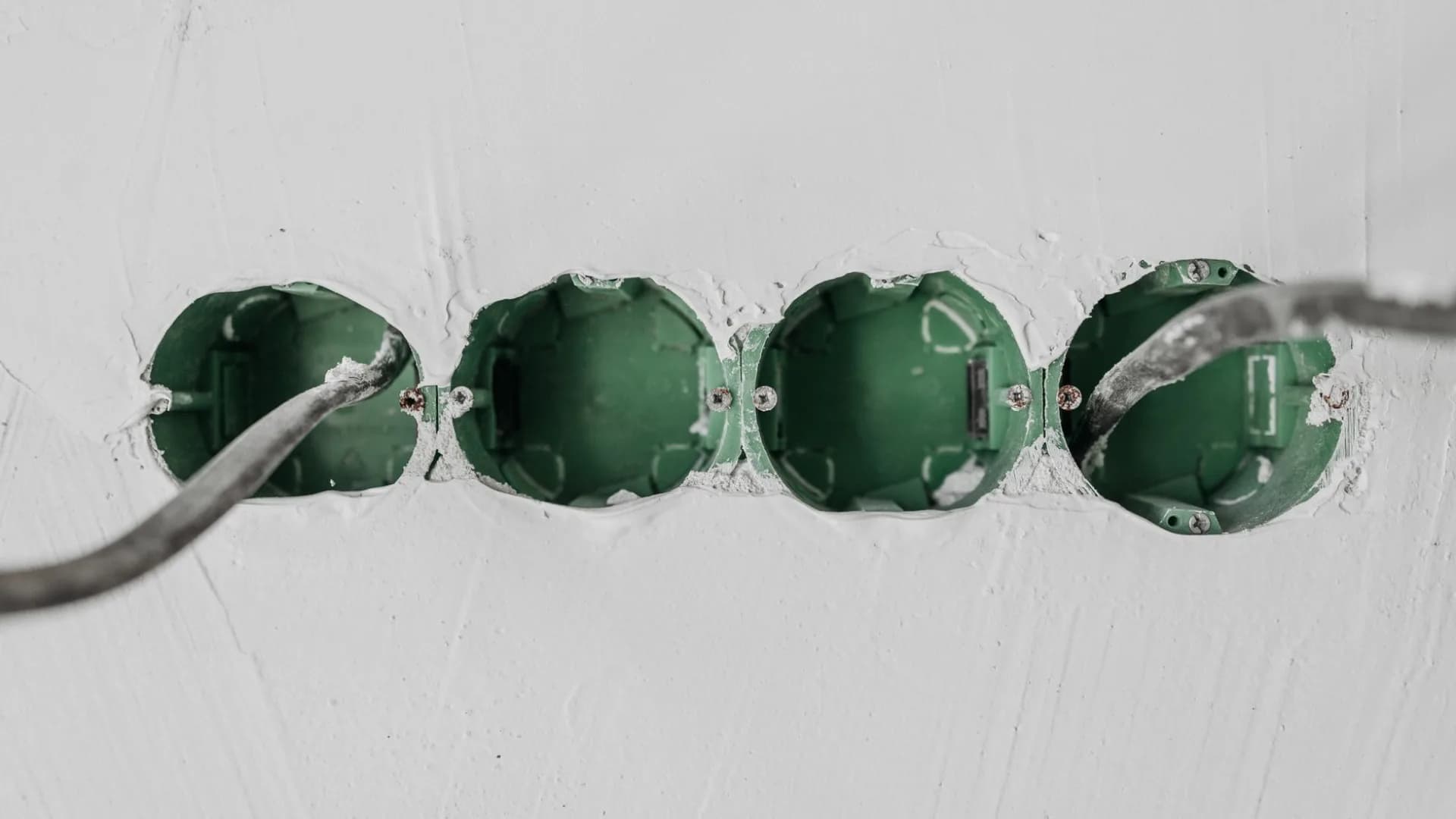
A dead outlet, a flickering kitchen light, or a breaker that keeps taking a little nap can be a small repair—or a warning that deserves attention. Toronto homes range from century-old brick semis to newer condos, so the cause is not always obvious from the symptom.
Look, here’s the thing: electricity is not the place for a heroic Saturday experiment. This guide helps you sort out what you can safely check, what should be booked soon, and what means stop using the circuit and get help now.
Symptoms homeowners notice first
Most minor electrical problems start with something annoyingly ordinary. An outlet works only if the plug is held at a certain angle. A bathroom GFCI outlet is dead. A light switch feels loose, buzzes, or turns the light on only after a few tries.
Common signs include:
- An outlet or switch feels loose, warm, cracked, or discoloured. Stop using it until it is checked.
- Lights flicker or dim when a large appliance starts. One light fixture may have a fixture or bulb issue; several rooms doing it can point to a circuit or service issue.
- A breaker trips repeatedly. A one-time trip after too many appliances is one thing. A breaker that trips with normal use is another.
- A GFCI outlet will not reset or has no power. These are common in kitchens, bathrooms, laundry areas, garages, and outdoors.
- A switch crackles, buzzes, sparks, or smells hot. That is not a charming old-house sound effect.
- A fixture is loose, flickering, or has an exposed wire. Leave it off rather than balancing on a chair with a screwdriver and optimism.
A dead outlet can also be tied to another GFCI outlet upstream, especially in older renovations where the wiring route is anyone’s guess. If you need someone to diagnose a simple outlet, switch, fixture, or GFCI issue, start with Electrical in Toronto: Hire Local Pros.
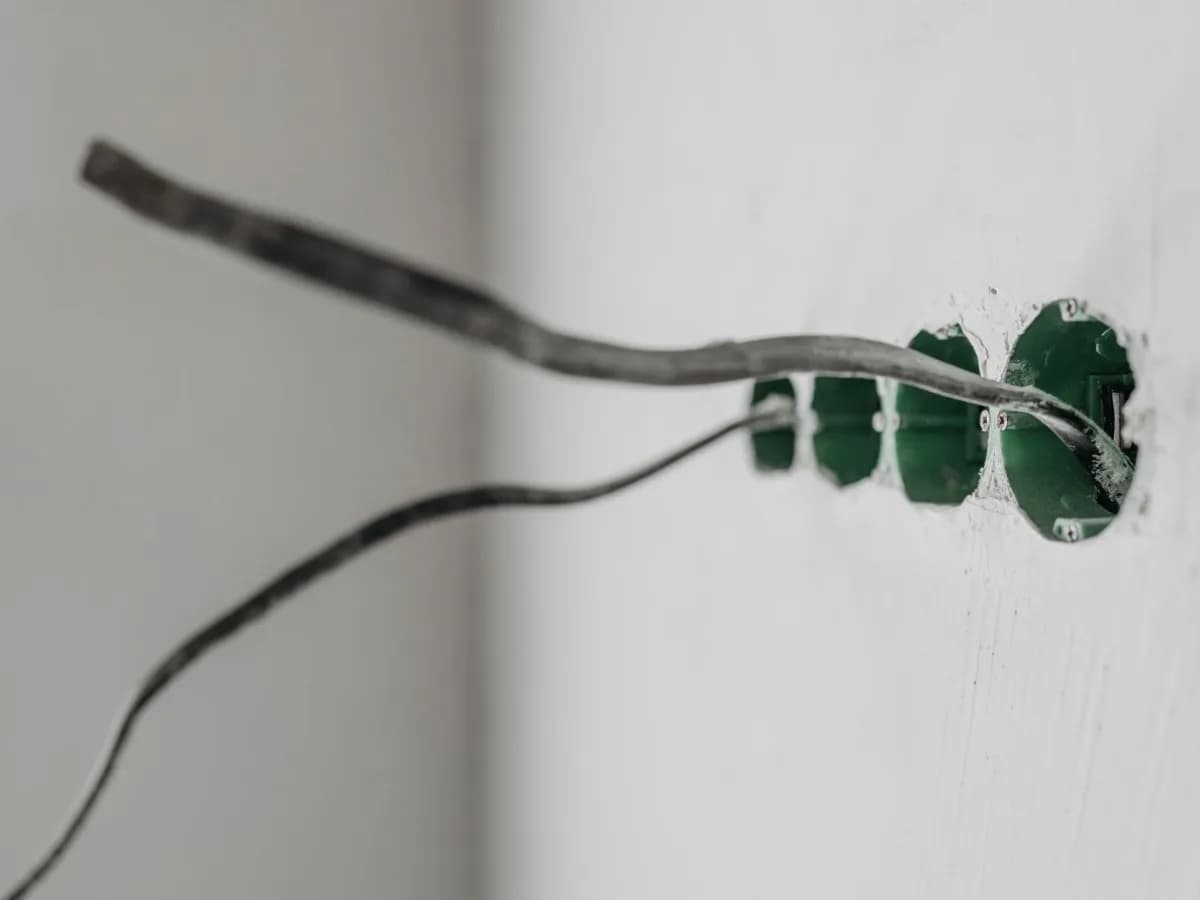
Urgent versus can-wait electrical situations
Treat it as urgent now if you see sparks, smoke, scorch marks, melted plastic, or a burning smell. Turn off power at the breaker only if you can reach the panel safely and it is safe to do so. Do not touch a smoking outlet, damaged cord, or wet electrical equipment. Leave the area and call 911 if there is fire, active smoke, or immediate danger.
Also move quickly if a breaker will not stay on, an outlet or panel is hot, water has reached electrical equipment, or you receive a shock or tingling feeling from a switch, appliance, or fixture. Stop using that circuit. “It only zaps me sometimes” is not a household maintenance category.
Usually okay to book within a few days: a single dead outlet with no heat or burning smell, a loose switch plate, a fixture replacement, or a GFCI that will not reset after basic checks. Still, do not keep using damaged outlets or run extension cords as a permanent workaround.
Can often wait for a convenient appointment: a working but dated light fixture, a switch you want replaced for style, or an outlet upgrade where there are no symptoms of damage. If the issue is part of a larger update—say, repairing trim around a box or opening a wall for access—Carpentry in Toronto: Hire Local Pros may be useful after the electrical work is planned.
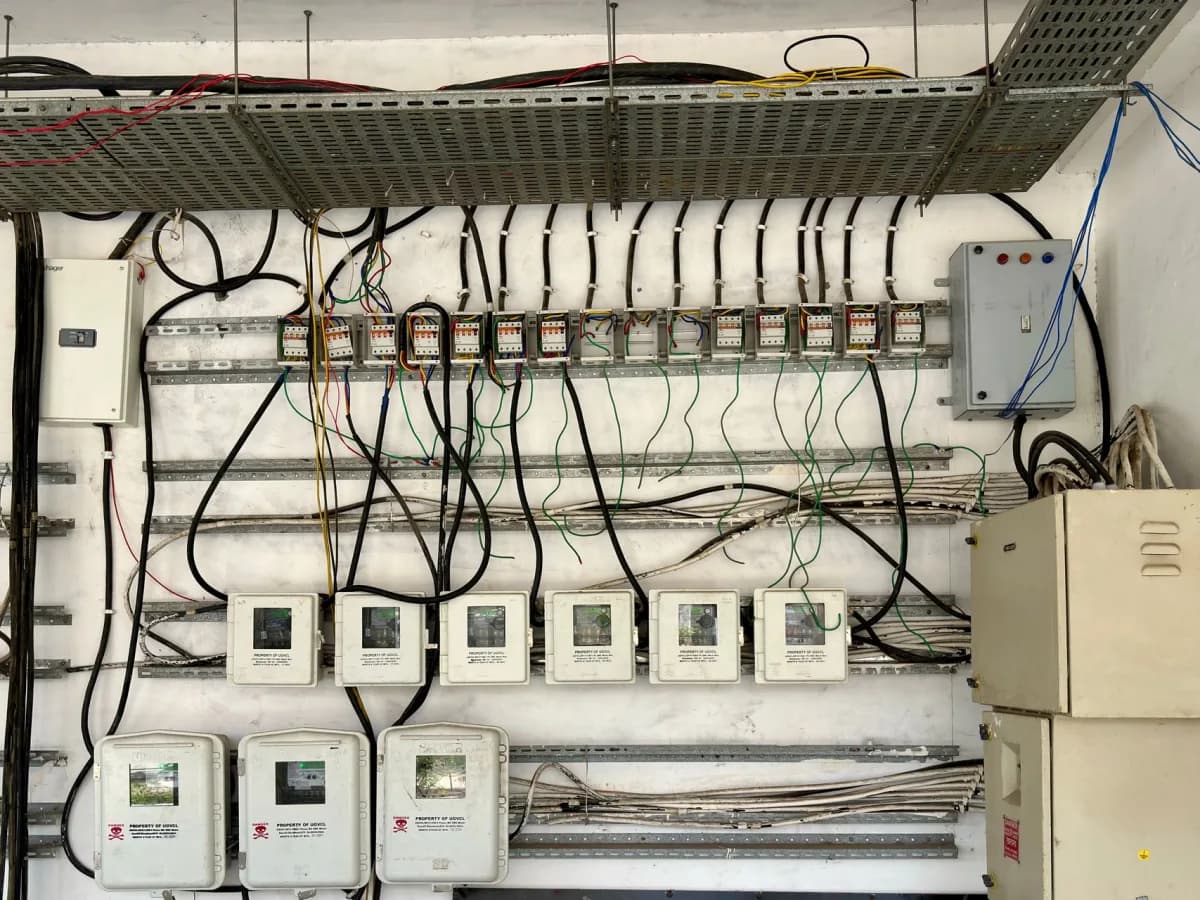
Safe checks you can do before booking
You can do a few low-risk checks without opening an outlet, removing a cover, or touching wires. If anything looks burned, wet, loose, or damaged, skip the troubleshooting and arrange help.
- Unplug what was running when the problem started. A space heater, kettle, air fryer, or hair tool can overload a circuit faster than a kid can empty the snack drawer.
- Check the electrical panel. Look for a breaker sitting between on and off, or labelled off. Push it fully off first, then back on once. If it trips again, leave it off.
- Reset nearby GFCI outlets. Press the reset button on GFCIs in bathrooms, kitchens, garages, laundry rooms, and exterior locations. One GFCI can protect several regular outlets.
- Try a known-working lamp or charger. This helps rule out a failed appliance or bulb. Do not use a damaged cord or force a loose plug.
- Check a fixture at the wall switch. For a simple lamp or fixture, a burnt-out bulb may be the whole story. Turn power off before changing a bulb, and do not touch wiring.
Do not remove receptacles, replace breakers, splice wires, work inside the panel, or keep resetting a tripping breaker. In Ontario, electrical work can have licensing and permit requirements depending on its scope, so it is sensible to use an appropriately qualified electrical professional for repairs beyond basic user checks.

When to book an electrical professional
Book a pro when a problem repeats, involves heat or damage, affects more than one outlet or room, or needs anything opened up. That includes loose outlets, failed GFCIs, persistent breaker trips, switch problems, replacement fixtures, and mystery power loss.
When requesting electrical help in Toronto, include a few useful details: which room is affected, whether a breaker trips, whether the outlet is GFCI-protected, what was plugged in, and whether you noticed heat, buzzing, sparks, or a burning smell. A photo of the outlet or fixture can help too—just keep fingers out of the picture, naturally.
If you are budgeting a repair or small upgrade, Electrical Cost in Toronto: Pricing Guide explains the factors that can change the price. And if the electrical symptom turns out to be water getting into an exterior box, around a window, or near a door, Caulking & Sealing in Toronto: Hire Local Pros or Door Repair & Installation in Toronto: Hire Local Pros may help address the moisture source once the electrical area is made safe.
For an urgent issue, say so plainly in your request: sparking, smoke, burning smell, hot outlet, repeated breaker trips, or water exposure. That helps the right kind of help get to you sooner.