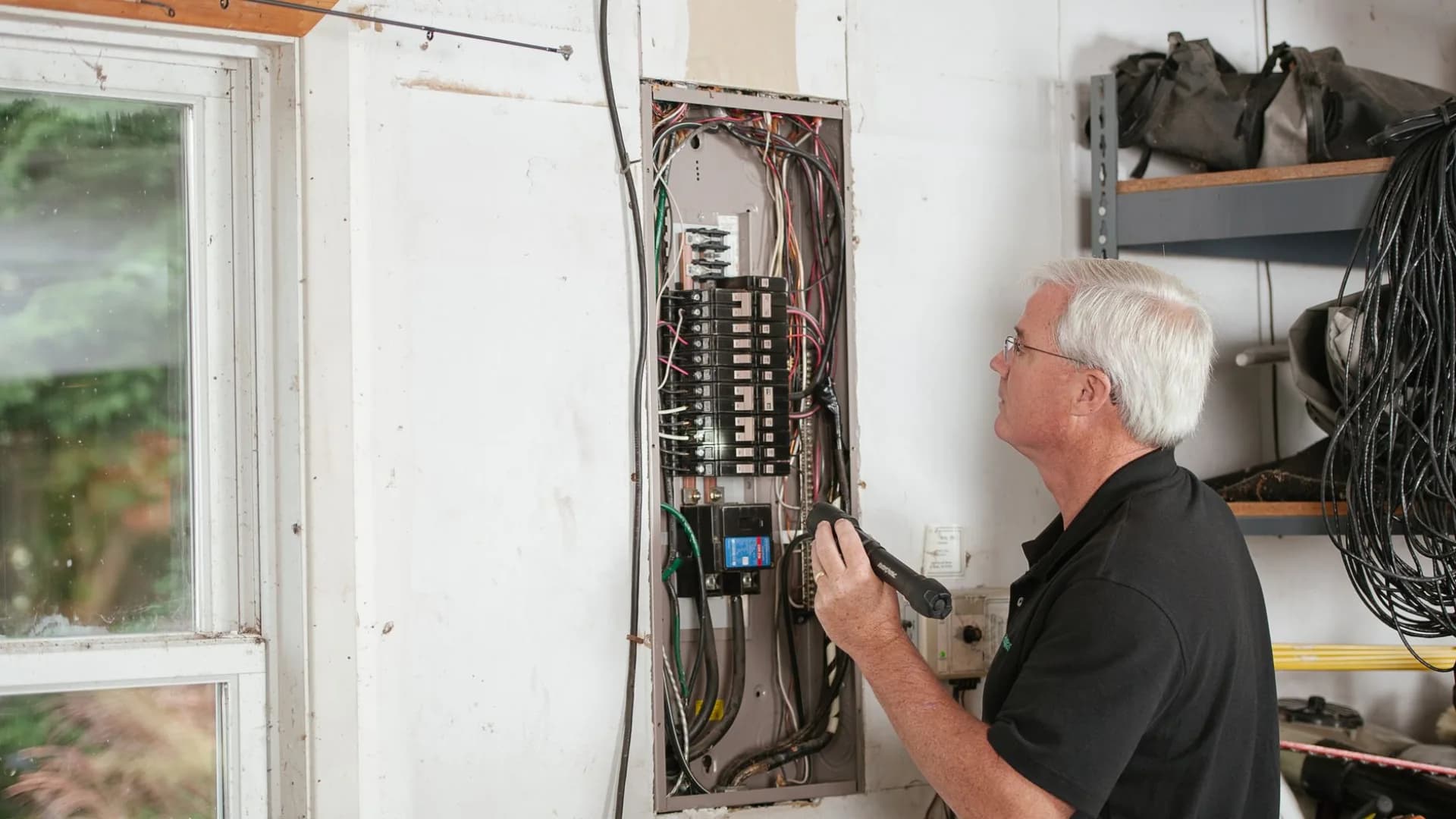
A dead outlet, loose switch, or GFCI that keeps popping is annoying enough. The vague “we’ll take a look” quote is worse. When you need minor electrical help in Toronto, you should know what happens before anyone arrives, what they’ll actually check, and whether the job is a quick repair or needs a bigger conversation.
For sparking, smoke, a burning-plastic smell, heat at an outlet or panel, or a shock: stop using that circuit if it’s safe to do so and get urgent qualified help. This isn’t the moment to reset the breaker five more times and hope for the best.
Before the visit
When you request electrical near me help, be specific about the symptom, not your diagnosis. “Kitchen outlet stopped working after the toaster tripped” is useful. “Electrical is weird” is honest, but add a little more if you can.
Include:
- The problem: loose or dead outlet, switch issue, fixture replacement, tripping breaker, or GFCI reset problem
- Where it is: bathroom, kitchen, basement, exterior, bedroom, etc.
- What changed right before it happened, if anything
- Whether other outlets or lights on the same wall are out
- Whether the breaker or GFCI will reset and stay on
- Any urgent signs: sparks, smoke, buzzing, heat, or a burned smell
A qualified electrician may need to handle work that falls under Ontario’s electrical safety rules, particularly if wiring, circuits, or a panel are involved. For a straightforward device or fixture issue, the visit often starts with diagnosis and then moves to repair if the scope is clear. If you’re unsure where your problem fits, start with Electrical in Toronto: Hire Local Pros rather than guessing.
Ask how the provider prices the visit: service-call fee, minimum labour, hourly time, materials, and whether diagnosis is included. Honestly, just tell me the price structure before showing up. A quote that stays foggy until work is underway is a red flag.
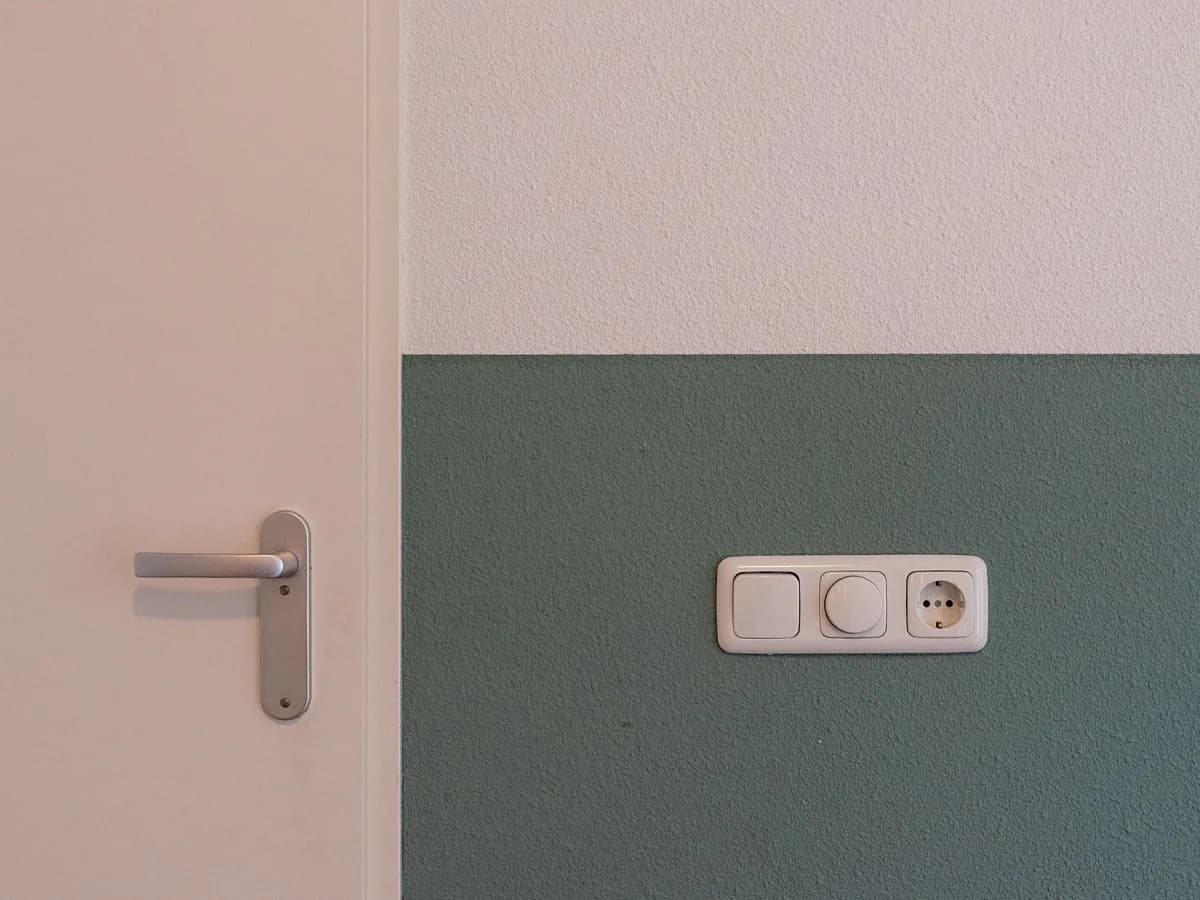
What happens during the on-site electrical process
First, the pro should confirm the symptom and isolate the affected circuit. That can mean checking the electrical panel, testing the outlet or switch, checking nearby GFCIs, and looking for loose connections or a failed device. They may use a plug tester, voltage tester, or multimeter; they should shut off power before opening a box or replacing a device.
For common minor calls, the sequence is usually:
- Confirm the problem and check for hazards. A loose outlet, scorch mark, repeated trip, or damaged fixture changes the urgency.
- Test the circuit. The issue may be at the device itself, an upstream GFCI, the breaker, or wiring further along the circuit.
- Explain the fix before proceeding. You should hear what failed, what will be replaced or repaired, and what the cost is.
- Complete the repair or replacement. This could be a receptacle, switch, GFCI, cover plate, light fixture connection, or another minor component.
- Restore power and test. The outlet, switch, fixture, or GFCI should be tested in front of you when possible.
If the first test points to hidden wiring damage, an overloaded circuit, moisture intrusion, or panel work, a good pro won’t pretend it’s still a 20-minute outlet swap. They’ll explain the expanded scope and any next steps. That’s not an upsell by itself; refusing to explain why it changed is the problem.
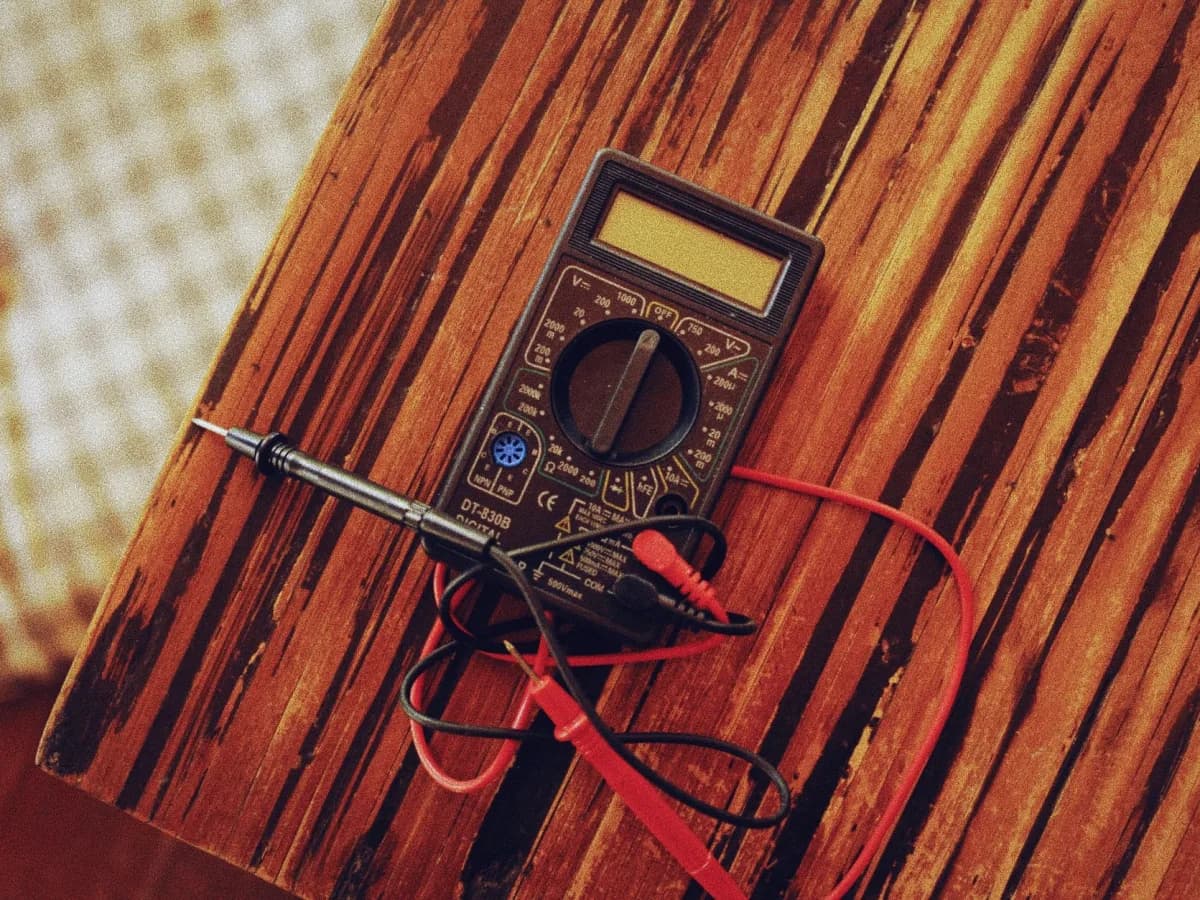
Timeline, pricing, and follow-up
Many simple electrical calls can be diagnosed and finished in one visit when the needed part is standard and accessible. A loose receptacle, failed switch, or basic fixture replacement may be relatively quick. Finding the source of a dead outlet or recurring breaker trip can take longer, especially in an older Toronto home where circuits have been altered over the years.
The realistic timeline is:
- Booking: urgent safety symptoms should be flagged immediately; less urgent jobs can often be booked around your schedule.
- Diagnosis: usually the first part of the visit, before anyone promises a repair price.
- Same-day repair: possible for common devices and straightforward faults.
- Return visit: more likely when special fixtures, parts, further investigation, or regulated work are needed.
Get the final scope in writing, even if it’s a short text or invoice line item. Keep it simple: what was tested, what was replaced, what materials were used, and whether there’s a recommended follow-up. For the usual cost factors—labour minimums, devices, fixture complexity, and troubleshooting time—see Electrical Cost in Toronto: Pricing Guide.
After the repair, use the outlet or switch normally but pay attention to repeat trips, flickering, warmth, buzzing, or a GFCI that won’t reset. Don’t keep resetting a breaker that trips again. That is the circuit telling you something, loudly.
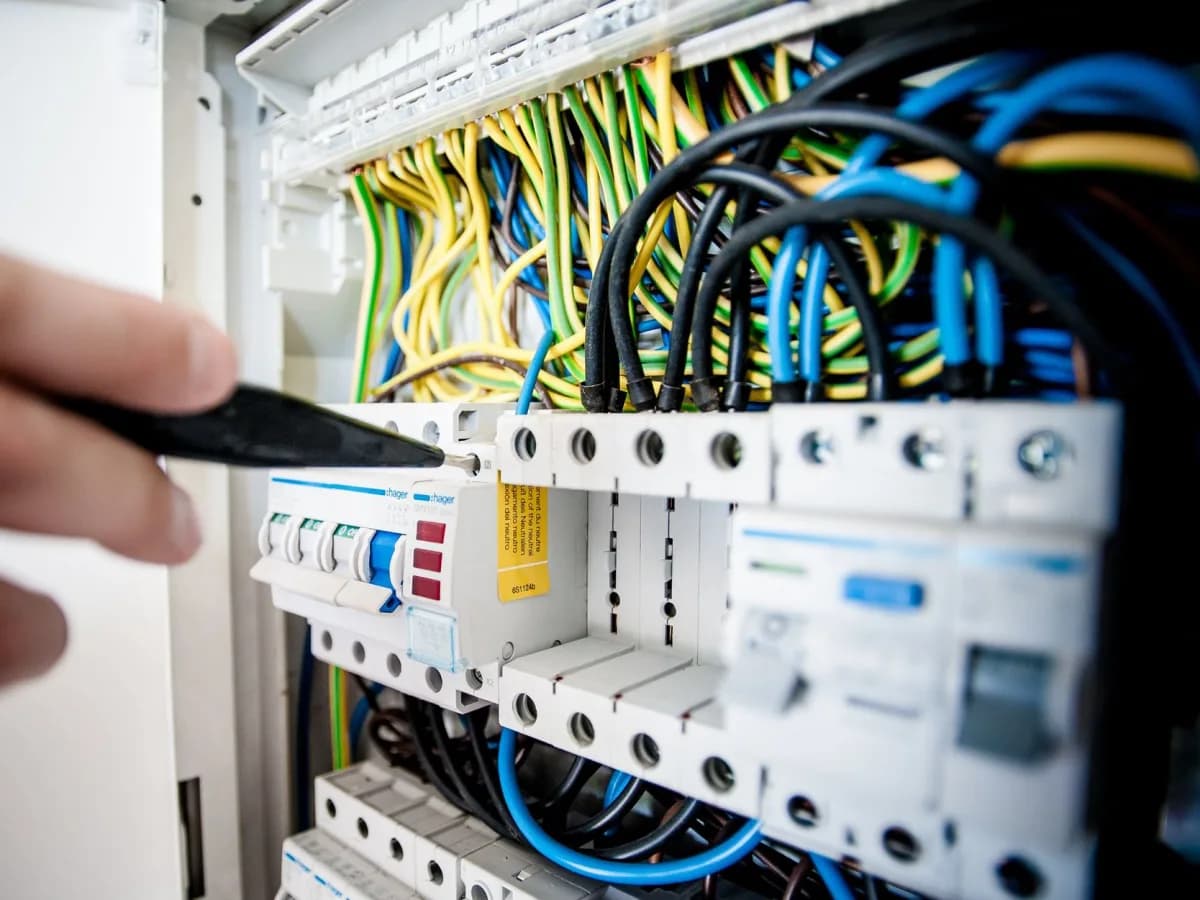
How to prepare your home without making this a whole project
You don’t need to dismantle the kitchen. Just make the work area reachable. Move furniture away from the affected outlet or switch, clear the counter under the fixture, and make sure the electrical panel is accessible. If the panel is in a storage room, yes, this is your sign to shift the hockey bags and random bins.
Have these ready:
- Photos or a short video of flickering, tripping, or the breaker position, if the symptom is intermittent
- The fixture and instructions, if you’re supplying a replacement light
- Details on recent renovations, water leaks, or appliance changes near the issue
- Building rules or concierge access details if you live in a condo
- Pets secured and a clear path to the panel and work area
Minor electrical work sometimes exposes a related finishing issue: a loose device can leave a damaged wall opening, a new fixture can reveal an unfinished ceiling patch, or a bathroom problem may involve failed sealant around a damp area. If that happens, you can also look at Carpentry in Toronto: Hire Local Pros, Caulking & Sealing in Toronto: Hire Local Pros, or Door Repair & Installation in Toronto: Hire Local Pros for the separate repair—not as a bundled mystery charge.
The best request is short and factual: what’s wrong, where it is, urgency, and whether anything is sparking or hot. That gets you a better match and saves everybody time. Mine included.