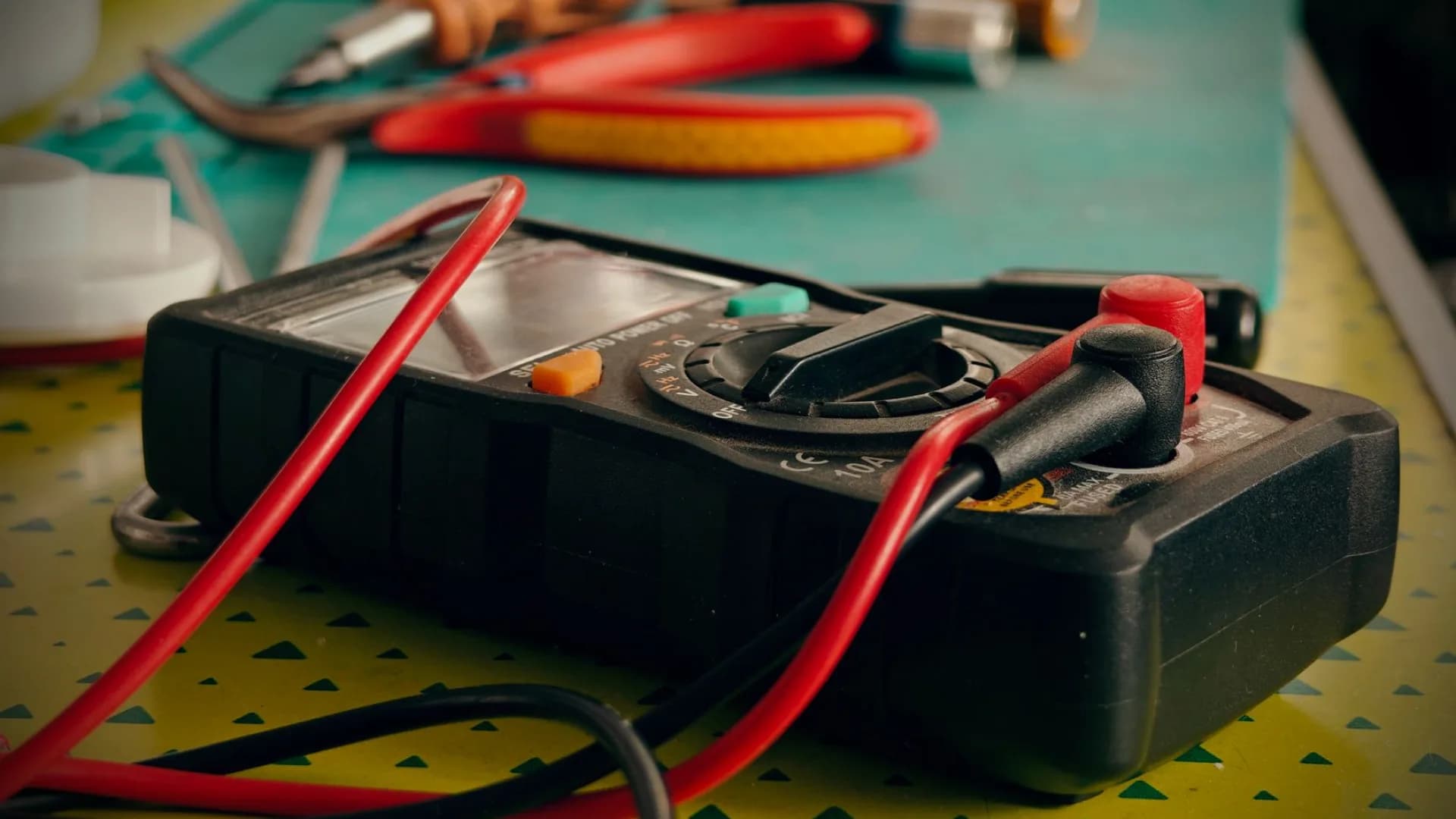
A dead outlet is often a small repair. A loose outlet, recurring breaker trip, or warm switch is not automatically a replacement job—but it is not a “see how it goes” job either. Electrical decisions are mostly about condition, repeat symptoms, and what is hidden behind the wall. The visible device may cost little; the wiring and connections supplying it are the interesting part.
For homeowners weighing electrical repair or replace in Toronto, start with safety and scope rather than the price of a new switch plate. A clean repair is sensible when the fault is isolated and the circuit is sound. Replacement starts to make more sense when a device is worn, obsolete, damaged by heat or moisture, or exposing a wider circuit problem. Adequate is fine for a light switch. Adequate is not ideal for a connection that has been getting hot.
Use the symptom, age, and condition to make the first call
A single failed outlet or switch does not mean the entire circuit needs replacement. Devices have moving contacts, terminal connections, and plastic parts that eventually tire out. Replacing one worn receptacle, switch, dimmer, or GFCI can be the sensible fix when testing shows the branch circuit and box are otherwise in good condition.
Repair or replace the individual device is usually the reasonable path when:
- An outlet is loose in the wall but there is no heat damage, burning smell, or cracked box.
- One switch has become intermittent, noisy, or physically worn.
- A GFCI will not reset after a verified nuisance trip, while the connected wiring tests properly.
- A light fixture is dated, damaged, or no longer suits the room, but its ceiling box and circuit are suitable.
Investigate beyond the device before replacing anything when you notice repeated breaker trips, lights dimming when an appliance starts, several dead outlets, buzzing, heat, scorch marks, or an outlet that will not hold a plug. Those symptoms can point to a loose connection, overloaded circuit, moisture issue, failing breaker, or wiring concern. Swapping the face of the problem is not engineering; it is decoration.
As a rule of thumb, an outlet or switch that moves, feels warm, crackles, sparks, smells burnt, or shows discolouration deserves prompt attention. If there is active sparking, smoke, or a burning odour, turn off the affected circuit if it is safe to do so, keep clear of the area, and seek urgent qualified help. Do not keep resetting a breaker to see whether it has become more optimistic.
Safety, permits, and Toronto electrical work
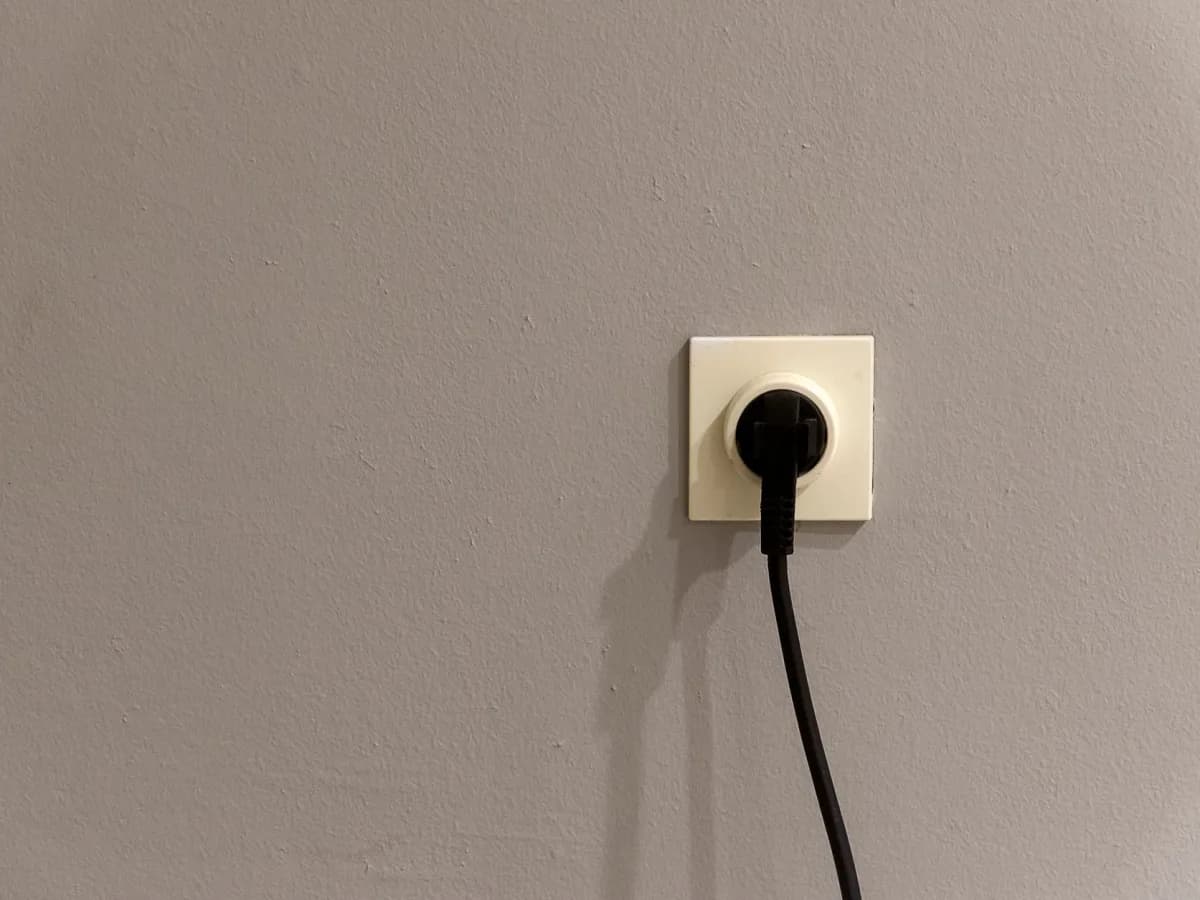
In Ontario, electrical work is governed by the Ontario Electrical Safety Code, and many alterations or installations require notification and inspection through the Electrical Safety Authority (ESA). The exact requirement depends on the work. Replacing a like-for-like device can be a very different proposition from adding a new circuit, moving wiring, altering a panel, or installing equipment with a new electrical supply.
For practical homeowner purposes, bring in a licensed electrical contractor when work involves circuit wiring, a breaker or panel, a new outlet location, bathroom or kitchen protection, persistent GFCI or breaker issues, water exposure, or any uncertainty about the circuit. This is as much about safe connections, code compliance, insurance records, and liability as it is about making the lights come on.
A fixture replacement also needs more thought than it first appears. The ceiling box must be rated and secured for the fixture weight, grounding must be correct, and the existing wiring must be in sound condition. A lightweight pendant and a heavy chandelier are not interchangeable loads, despite what the packaging photography may imply.
If the task includes opening and repairing drywall, trim, or a door-adjacent wall after the electrical work, coordinate that finish work separately with Carpentry in Toronto: Hire Local Pros or Door Repair & Installation in Toronto: Hire Local Pros. The electrical portion should be completed and any required inspection path understood before surfaces are closed.
Compare the cost over one to three years, not just today’s visit
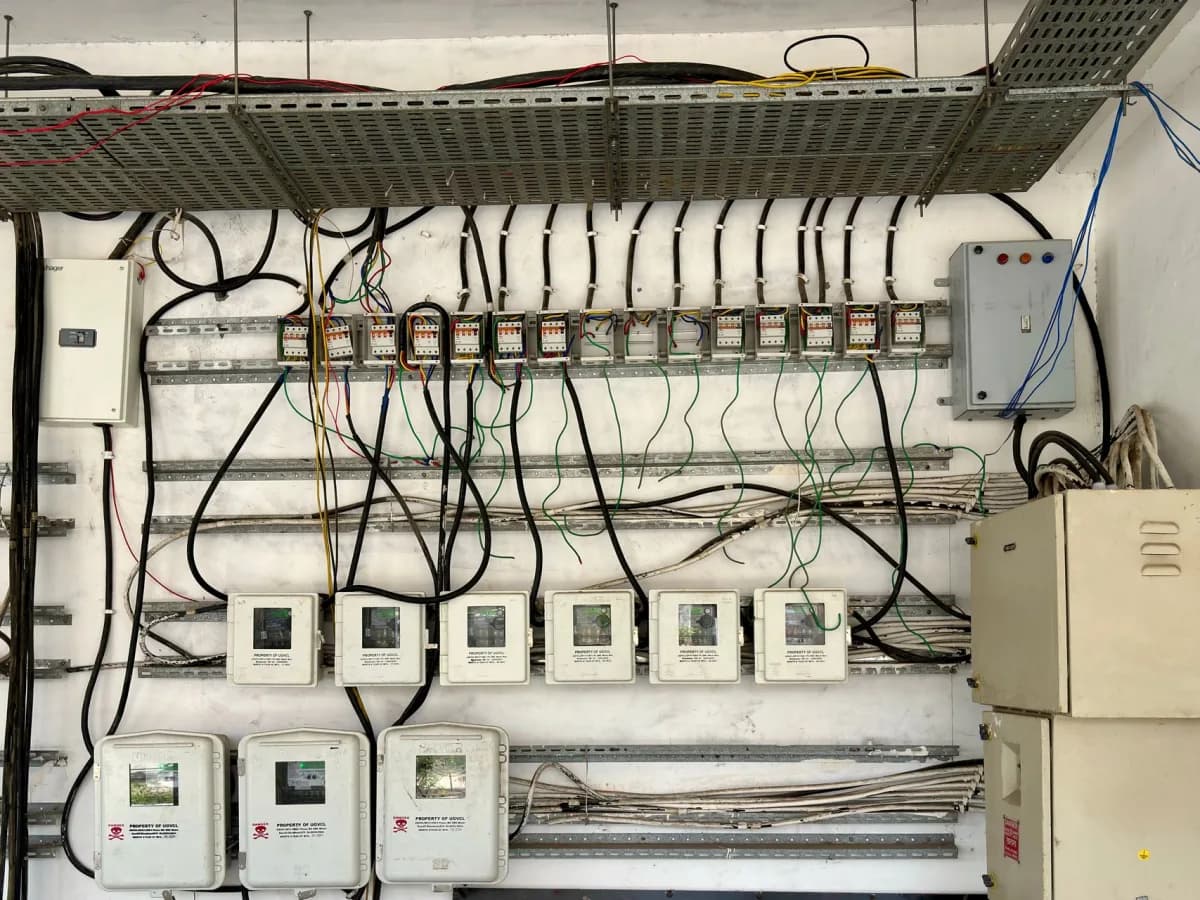
The lowest immediate price is not always the lowest cost. A one-time device replacement can be economical when it resolves a contained fault. Repeated service calls for a tripping GFCI, a loose outlet, or a flickering fixture can quickly overtake the cost of a proper diagnosis and durable correction.
Ask for a quote or scope that separates three things: diagnostic time, the repair or replacement itself, and any optional upgrades. That makes it easier to compare a simple receptacle replacement with work that includes correcting damaged wiring, replacing a box, adding GFCI protection, or addressing a circuit capacity problem. For local price context, see Electrical Cost in Toronto: Pricing Guide.
A useful 1–3 year comparison looks like this:
- Repair once: appropriate when the cause is confirmed and the existing device or connection has usable life left.
- Replace the device now: sensible when wear, heat damage, poor fit, or recurring failure is evident.
- Correct the circuit issue: often the better value when the same fault returns, several points on the circuit are affected, or the work touches safety-critical components.
Efficiency matters mainly with lighting and controls. Replacing an older fixture with an LED-compatible fixture or using compatible LED lamps can reduce energy use, but compatibility with the dimmer matters. An LED lamp on an incompatible dimmer can flicker, hum, or die young—adequate, not ideal. Energy savings should not be used to justify ignoring a safety symptom.
Choose the right kind of local help
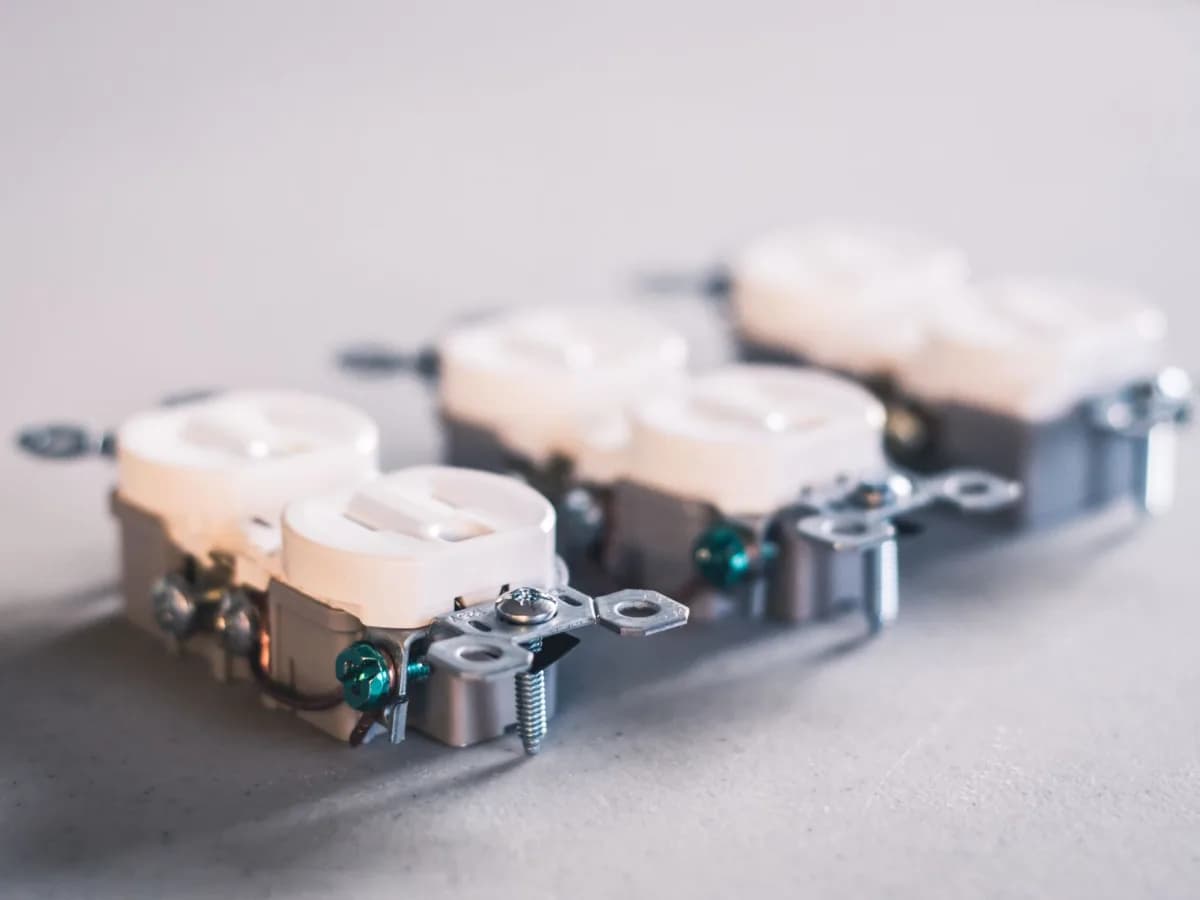
When you search electrical near me or plan to hire electrical Toronto help, describe the symptom rather than prescribing the repair. “Kitchen GFCI trips and two downstream outlets are dead” is much more useful than “replace outlet.” It helps the professional arrive prepared to diagnose the circuit rather than merely change a device.
For straightforward, visibly contained work—such as a loose receptacle, faulty switch, or fixture swap—ask whether the existing box, grounding, and circuit condition will be checked as part of the job. For anything involving a panel, breaker, added wiring, recurring trips, moisture, heat damage, or permit/inspection questions, select a properly licensed electrical specialist and confirm that the scope, notification, and insurance responsibilities are clear.
A good request includes:
- The room and the number of affected outlets, switches, or fixtures.
- Whether the breaker trips, the GFCI will not reset, or the problem is intermittent.
- Photos of the device, panel label, and any visible damage, if safe to take.
- The age of the home or a note that it is unknown.
- Any spark, smoke, heat, buzzing, or burning smell—these change the urgency.
Start with Electrical in Toronto: Hire Local Pros for help matching the scope to a local professional. If drafts or water gaps around exterior penetrations are part of the issue after electrical work, Caulking & Sealing in Toronto: Hire Local Pros can help with the finish side of the repair.
A short homeowner checklist before booking
Turn off power only if you can identify the correct breaker safely; do not dismantle a device to investigate. Then note what happened immediately before the problem began: a storm, a new appliance, a bulb change, a renovation, or nothing obvious. “Nothing obvious” is a valid observation and, regrettably, a common one.
Book help as soon as possible for warmth, buzzing, a loose device, recurring trips, a GFCI that will not reset, or a dead outlet serving an important appliance. Treat smoke, sparks, visible arcing, or a burning smell as urgent. For a cosmetic fixture upgrade with no fault symptoms, scheduling within a week or when convenient is generally reasonable.
The goal is not to replace every older electrical part in a Toronto home. It is to repair what is demonstrably sound to repair, replace what is worn or unsafe, and investigate anything that keeps returning. That is the less glamorous answer, which is usually the useful one.