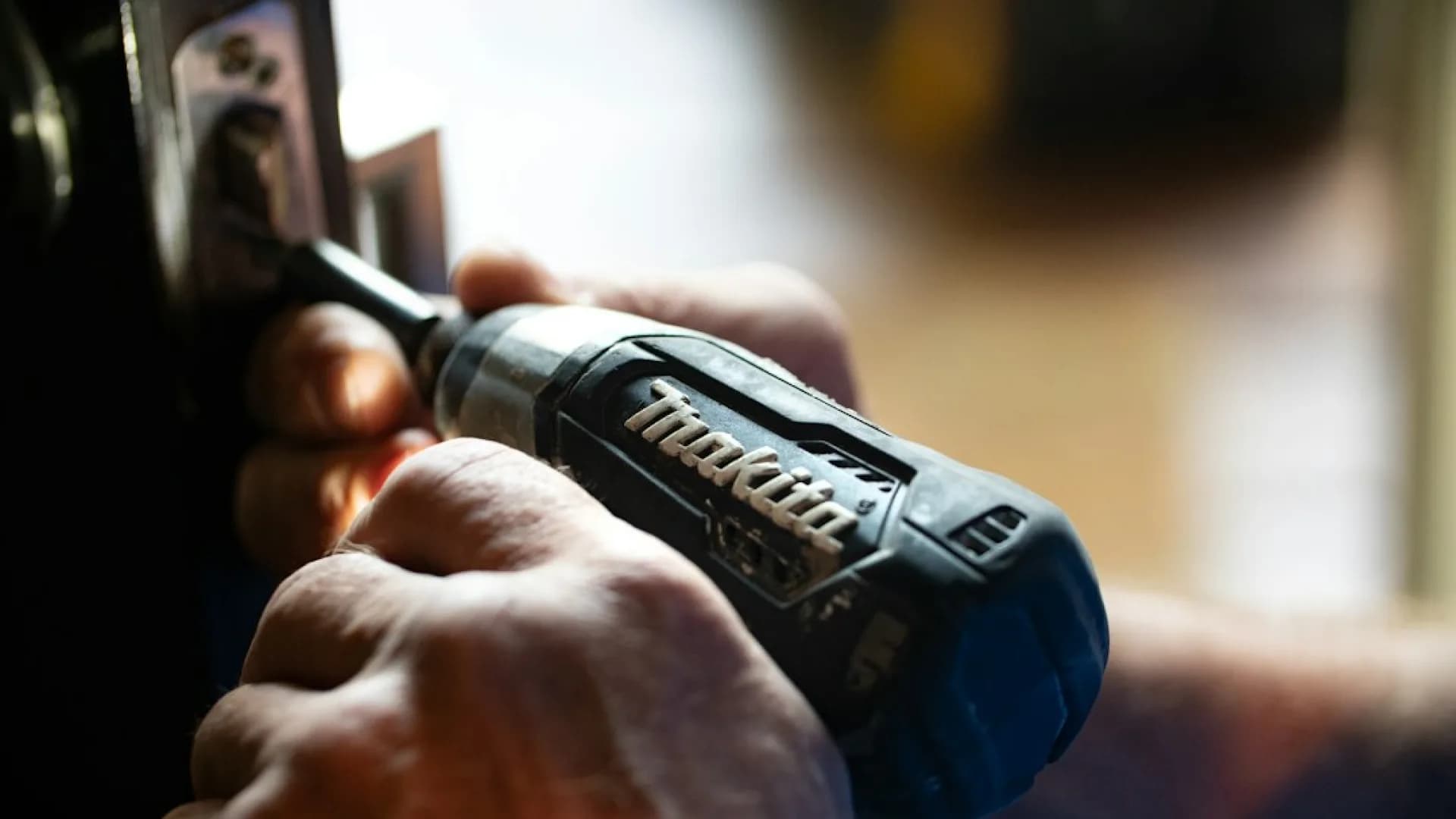
A door that drags, rattles, refuses to latch, or suddenly needs a shoulder-check is more than annoying. It can affect privacy, security, heat loss, and your ability to leave the house without waking everybody up.
Here’s what to expect from a typical door repair & installation process in Toronto. Whether it’s a loose hinge on a bedroom door, a misaligned front entry door, or a new slab waiting to be installed, a local pro will usually start with the boring-but-important detective work. Doors are dramatic little rectangles; the symptom is not always the cause.
Before the visit: share the useful details
When you request help, describe what the door is doing rather than trying to diagnose it. “The bedroom door scrapes at the top and the latch misses” is plenty useful. So is “the exterior door only closes if I lift it.”
Include:
- Whether the door is interior or exterior
- The issue: sticking, sagging, loose hinges, latch trouble, damaged hardware, or a new installation
- When it started and whether it is getting worse
- Photos of the hinges, strike plate, frame gaps, threshold, and any visible damage
- Whether the door has glass, a deadbolt, closer, weatherstripping, or specialty hardware
- Your timing: urgent, within a week, or flexible
For a new door, mention whether you already bought the door and hardware. A prehung unit, a replacement slab, and a new exterior door with sidelights are very different jobs. No shame in selecting “I’m not sure,” either. I’ve stared at a crooked door for ten minutes before realizing the hinge screws were loose. My tool belt did not respect me that day.
If you are ready to compare availability, start with Door Repair & Installation in Toronto: Hire Local Pros.
What happens during the on-site assessment
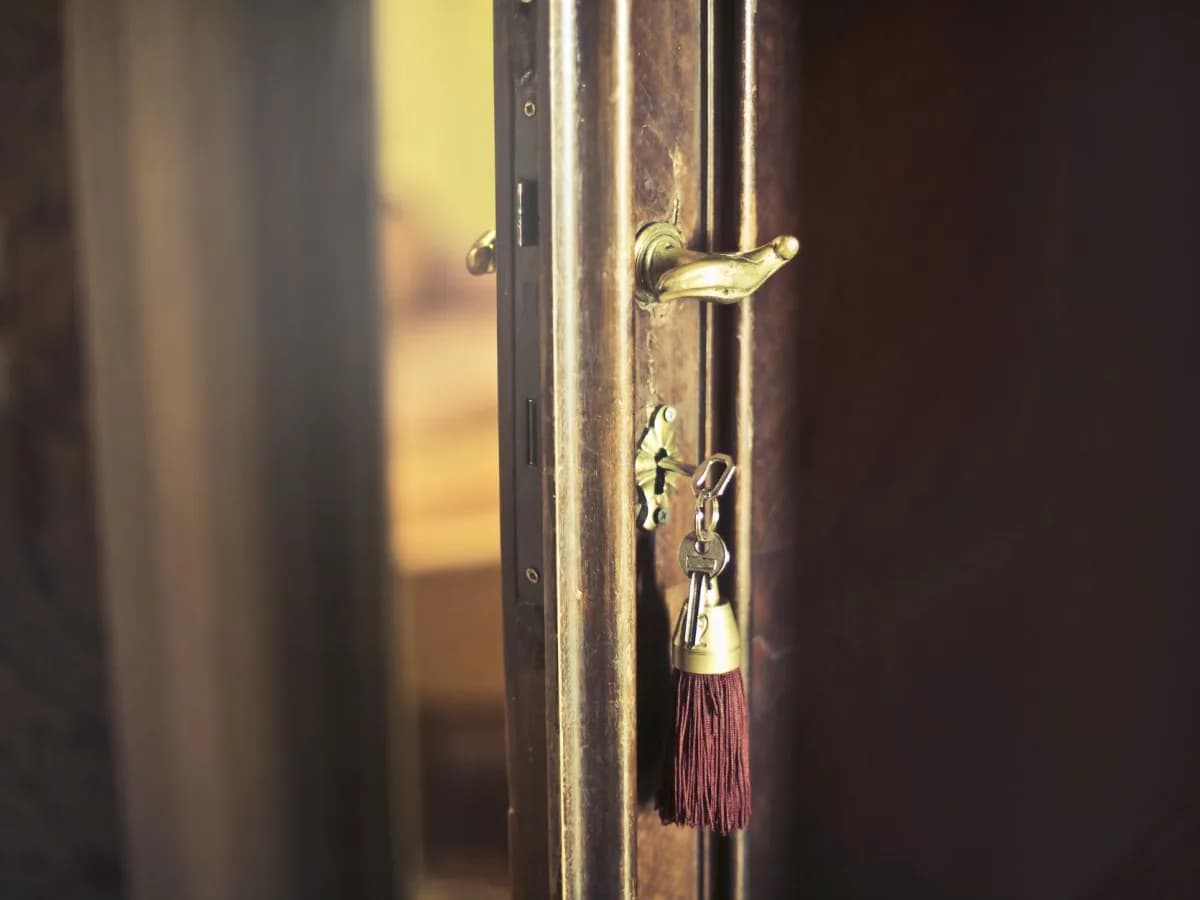
On arrival, the pro should check how the door moves, where it rubs, whether the reveal (the gap around the door) is even, and whether the latch lines up with the strike plate. They may open and close it repeatedly, inspect hinge screws and the jamb, and look for frame movement, swelling, worn hardware, or a shifted threshold.
For a repair, common fixes can include tightening or replacing screws, shimming hinges, adjusting a strike plate, planing a rubbing edge, replacing hinges, resetting weatherstripping, or repairing minor jamb damage. On an exterior door, they should also look at the sweep, threshold, lock operation, and air gaps. Toronto winter has a way of finding every tiny draft and charging rent for it.
A good pro will explain what is causing the issue, what they can repair that day, and whether a part or return visit is needed. If the jamb, casing, or framing has damage beyond a simple hardware adjustment, it may be worth bringing in Carpentry in Toronto: Hire Local Pros for the surrounding woodwork.

Repair or installation: the work itself
For straightforward hardware or alignment work, the pro will protect the nearby floor, remove or adjust the relevant hardware, make the repair, then test the door several times. The goal is not merely “it closes once.” It should swing smoothly, latch without a hard shove, and leave sensible, consistent gaps.
For a new door installation, expect more measuring and fitting. The old door or unit may be removed, the opening checked for level and plumb, and the new door dry-fitted before it is fastened and shimmed. Exterior work may also involve insulation, flashing or sealant where appropriate, weatherstripping, threshold adjustment, and lockset installation.
Small holes or cracked paint around old hardware are common after a swap. If the wall or trim needs patching, Drywall Repair in Toronto: Hire Local Pros can help with the aftermath. A new door is nice; a ring of crumbly drywall around it is less of a reveal.
Timeline, testing, and follow-up
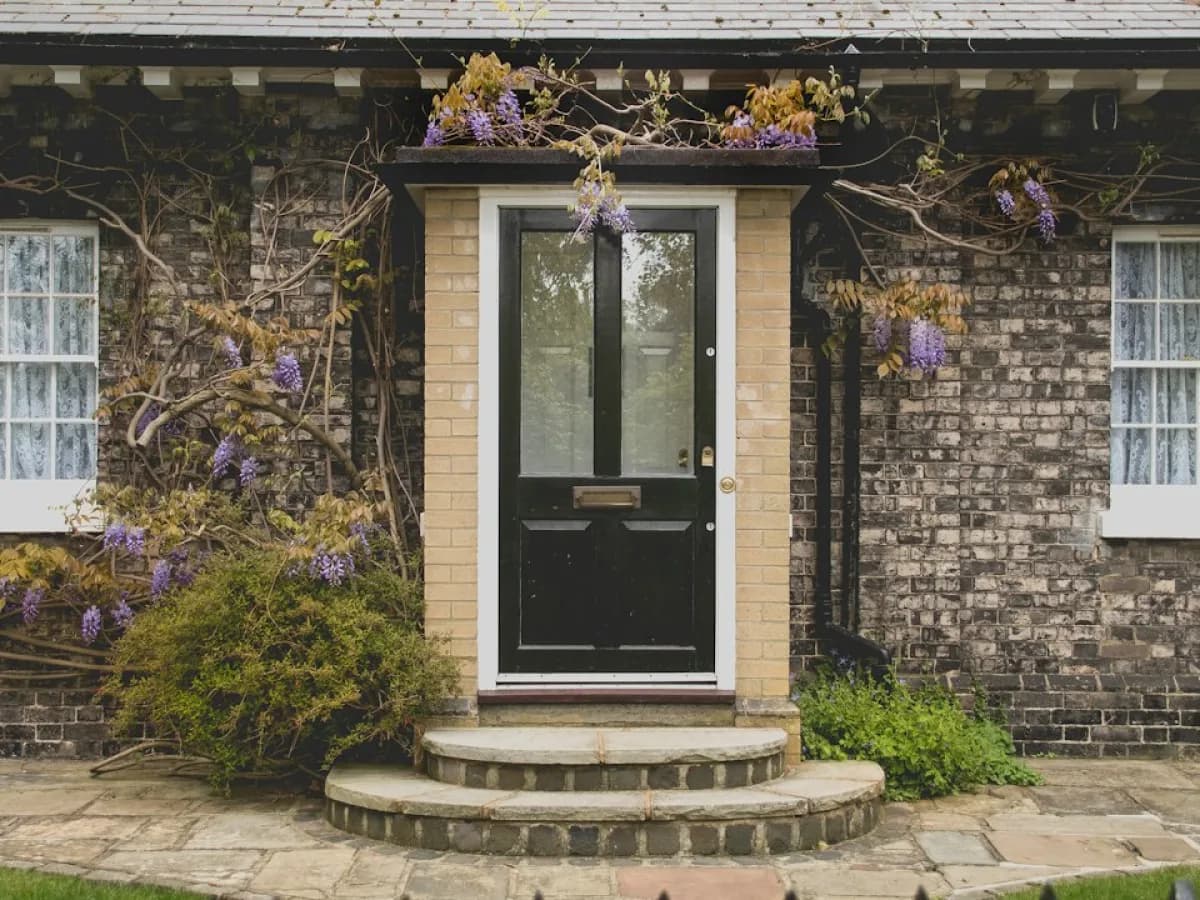
Many minor repairs—loose hinges, a latch adjustment, a sticking interior door—can often be handled in one visit if the needed parts are on hand. A replacement door, custom-sized slab, damaged jamb, specialty lock, or exterior sealing issue can take longer because materials may need to be ordered or a second visit may be sensible.
Before the pro leaves, test the door yourself. Open it fully, close it from both sides, operate the latch and lock, and check that it does not bind on the floor or frame. For an exterior door, look for daylight around the perimeter and feel for obvious drafts once the door is closed.
Ask what was adjusted or replaced, whether any new hardware needs periodic tightening, and what to watch for over the next week. If weatherproofing was disturbed or added, proper sealing matters as much as a good latch; Caulking & Sealing in Toronto: Hire Local Pros is useful when gaps around trim or exterior openings need attention.
For budget planning before you book, see Door Repair & Installation Cost in Toronto: Pricing Guide.
How to prepare your home for the appointment
Clear a path to the door and move nearby furniture, rugs, shoes, and pet bowls. If the door opens into a cramped hall, take pictures off the wall that might get bumped. Pros need room to swing, remove, and test a door—this is not the moment for a hallway obstacle course.
Keep kids and pets out of the work area, especially for exterior doors that may be temporarily unsecured. For a front or back door job, plan around weather and household comings-and-goings. If you have condo rules, confirm elevator bookings, work-hour limits, and disposal requirements before the appointment.
Have any replacement hardware, keys, warranty information, or door packaging handy. And if the issue only happens at certain times—say, the door sticks after a rainy day—mention that. Homes love intermittent problems almost as much as they love hiding the one screwdriver you just had.